The Role of Lighting in Furniture Styling | Expert Guide to Transform Your Space
The Role of Lighting in Furniture Styling
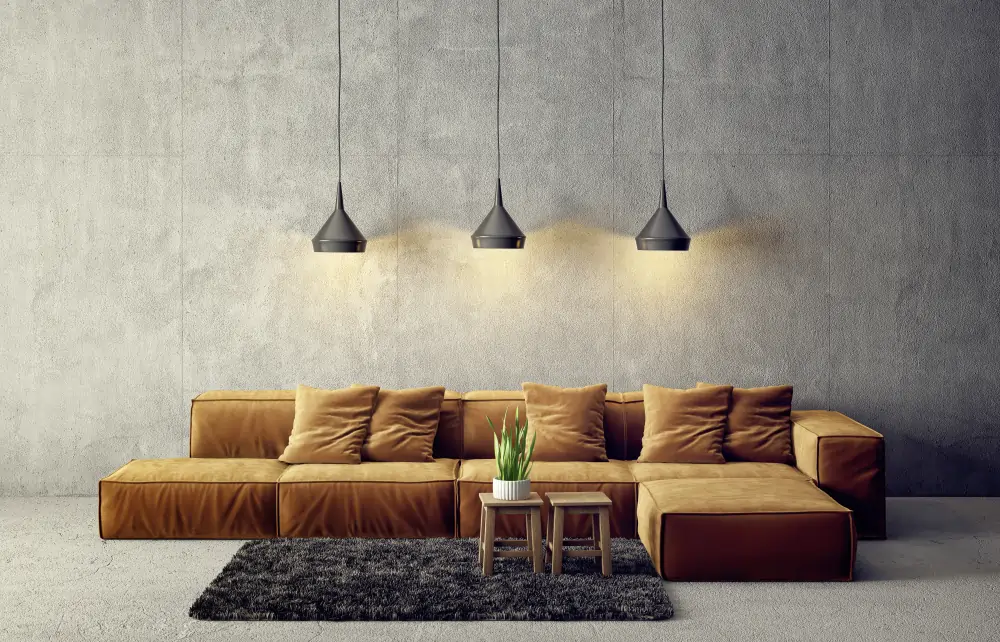
Furniture styling is not just about choosing the right pieces; it is also about how those pieces are presented in a room. Lighting plays a powerful role in shaping the mood, functionality, and visual appeal of furniture. The same sofa, dining table, or armchair can look dramatically different depending on the type of lighting that surrounds it.
This article explores the role of lighting in furniture styling, detailing how to use lighting effectively, showcasing real-world examples, the benefits of technology, and practical use cases to help you create beautifully lit spaces.
Why Lighting is Crucial in Furniture Styling
Defining Mood and Atmosphere
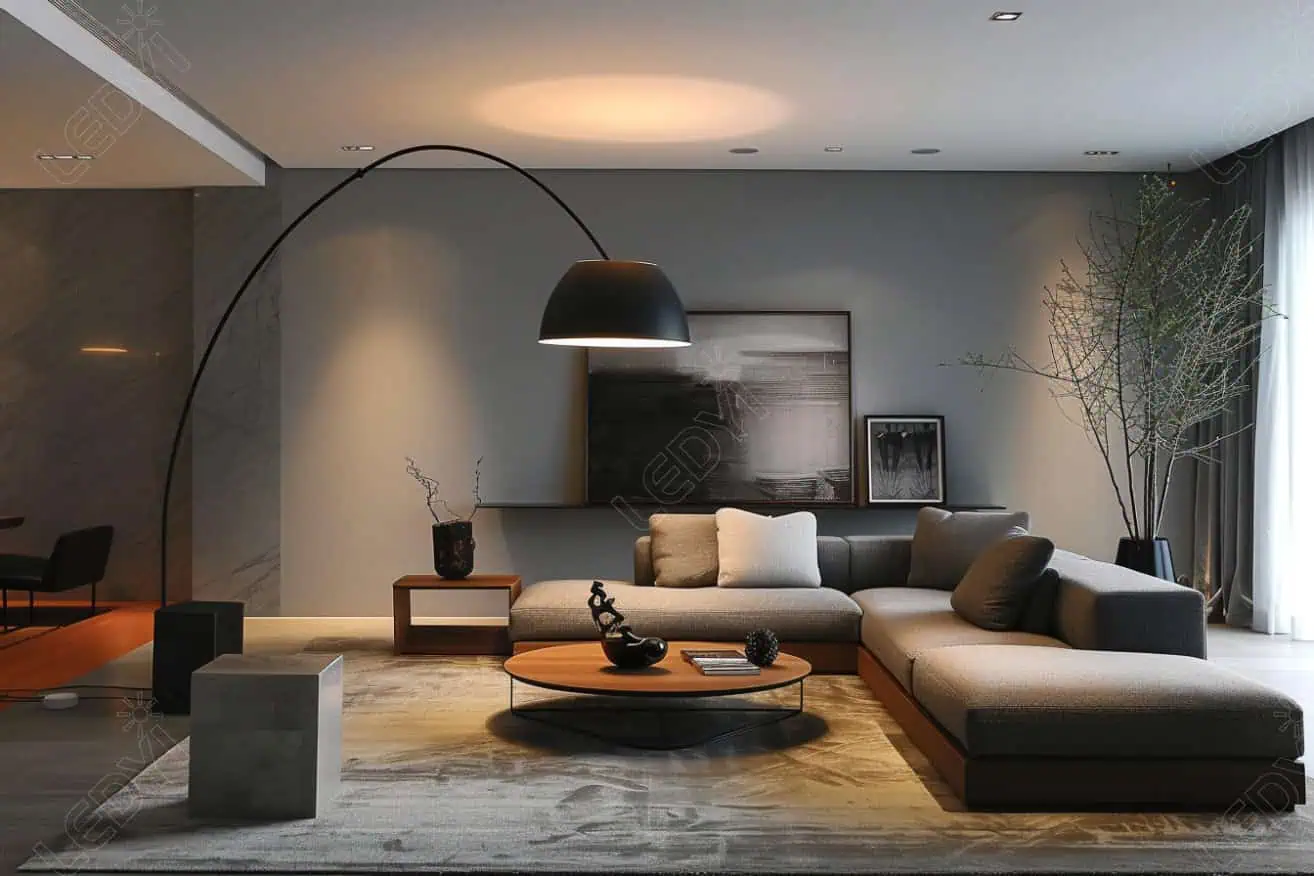
Lighting sets the tone of any room. A bright, natural-lit space gives furniture a fresh, airy appearance, while dim lighting creates a cozy, intimate feel. When paired with the right furniture, lighting enhances the intended mood of the space.
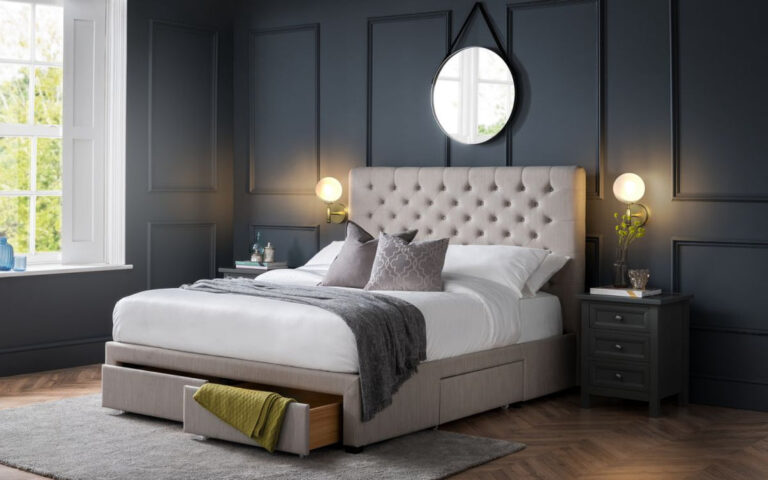
For example, a dining table paired with a pendant light creates a formal dining atmosphere, while a softly lit bedroom makes furniture feel warm and inviting. Lighting, therefore, is a tool to control ambiance and highlight furniture aesthetics.
Enhancing Visual Appeal
Furniture is often designed with textures, finishes, and colors that can either be highlighted or dulled depending on the light. A glossy wood table shines under direct light, while a velvet sofa looks richer under soft, diffused lighting. By positioning light correctly, furniture details stand out, giving them a luxurious and intentional look.
Types of Lighting and Their Effect on Furniture
Ambient Lighting

Ambient lighting provides general illumination for a space. It ensures furniture pieces are visible and balanced within the room. Although not dramatic, ambient lighting creates a canvas where furniture looks cohesive.
Choosing the right brightness and color temperature is key. Warm light tends to enhance cozy, soft furnishings, while cooler light works well with sleek, modern furniture designs.
Task Lighting

Task lighting is focused illumination that supports specific activities. For furniture styling, task lighting highlights functional pieces such as desks, reading chairs, or kitchen counters.
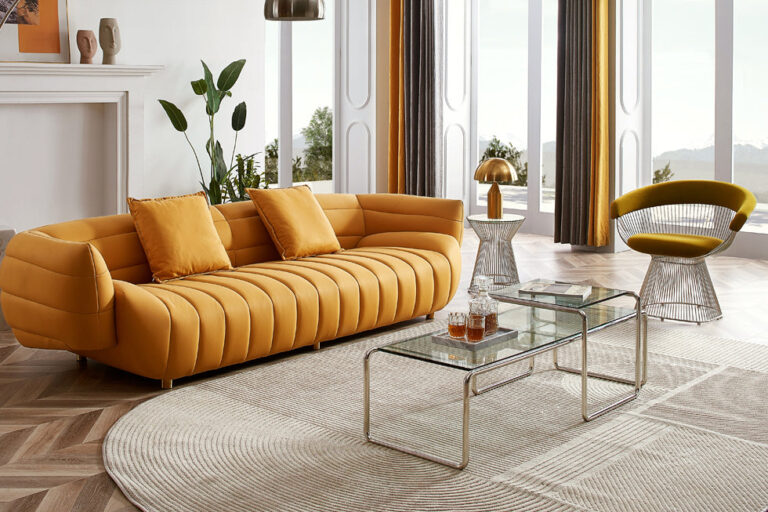
When styled correctly, task lighting becomes part of the furniture’s aesthetic. A floor lamp next to an armchair or a pendant light over a dining table not only adds function but also elevates the furniture’s importance within the space.
Accent Lighting
Insert image of the product format: Accent lights highlighting artwork and console furniture
Accent lighting emphasizes specific pieces of furniture or décor. It draws the eye to details such as a unique coffee table, a sculptural chair, or shelving. Accent lighting creates drama, adding depth and character to the space.
This type of lighting is perfect for showcasing statement furniture, making it the visual star of a room.
Real-World Examples of Lighting Transforming Furniture
Example 1: Sofa Styling with Floor Lamps

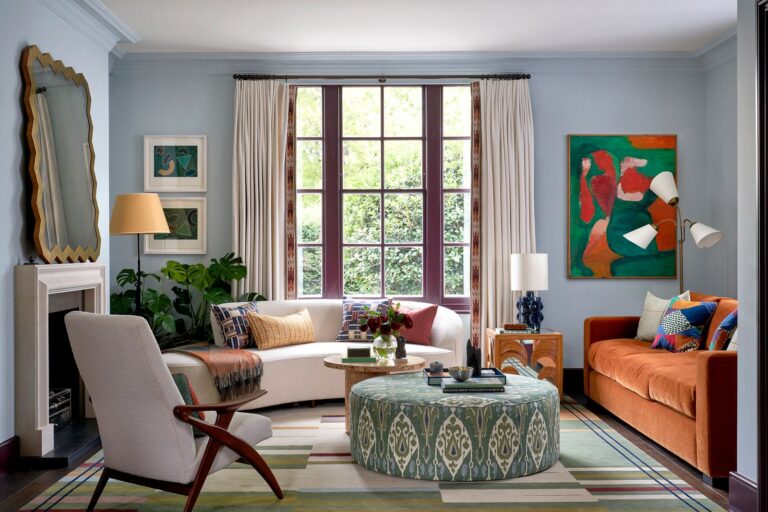
A simple, neutral sofa can feel uninspired on its own. By pairing it with tall, sleek floor lamps on either side, the sofa becomes framed within the room. This hack creates symmetry and directs attention to the furniture, elevating its presence.
Lighting here doesn’t just provide functionality but acts as an accessory that completes the furniture styling.
Example 2: Dining Table with Pendant Lighting

A dining table often feels incomplete without lighting overhead. Pendant lights or chandeliers above the table create a focal point, highlighting the furniture as the central element of the room.
This setup works as both task and accent lighting, providing visibility for dining while creating a luxurious aesthetic.
Example 3: Bookshelves with Integrated LED Strips

Affordable bookshelves can be elevated dramatically with the addition of LED strips. The lighting highlights books and décor while turning the furniture into a design feature. This technique transforms a standard bookshelf into a high-end, styled piece.
Example 4: Bedroom Bed Frame with Ambient Lighting

Adding ambient lighting beneath a bed frame creates a floating effect, making the furniture look unique and luxurious. This hack also enhances the cozy atmosphere of the bedroom without requiring expensive upgrades.
The Role of Technology in Lighting Furniture
Smart Lighting Systems
Smart lighting allows homeowners to control brightness, color, and even light placement with apps or voice assistants. This level of customization lets you change the mood of furniture styling instantly—soft, warm lighting for relaxation or brighter settings for functionality.
For example, a sofa styled with smart lamps can transition from a cozy reading space to a bright social hub depending on the chosen light settings.
LED Advancements
LED technology has expanded furniture styling possibilities. Energy-efficient and versatile, LEDs can be integrated into shelves, under cabinets, or around bed frames. Their small size and flexibility allow creative placement that highlights furniture in ways traditional bulbs cannot.
Benefits of Lighting in Furniture Styling
Elevates Affordable Furniture
One of the biggest benefits of using lighting effectively is that even affordable furniture can look high-end. Properly lit pieces appear more refined, polished, and intentional.
Enhances Functionality
Lighting ensures furniture serves both functional and aesthetic purposes. A stylish desk with poor lighting loses its usability, while well-placed lamps make it both practical and beautiful.
Creates Depth and Dimension
Lighting prevents rooms from looking flat. By using a mix of ambient, task, and accent lighting, furniture takes on depth, creating a layered and luxurious interior design.
Use Cases: When Lighting Matters Most
-
Small Apartments – Lighting helps maximize space by making furniture look larger and brighter without physical expansion.
-
Showcasing Statement Pieces – Accent lighting ensures unique furniture gets the attention it deserves.
-
Creating Mood in Bedrooms – Soft, layered lighting highlights beds and nightstands, creating a restful atmosphere.
-
Open-Plan Living – In large spaces, lighting zones define furniture arrangements, giving structure and flow.
Avoiding Common Mistakes in Furniture Lighting
Overlooking Color Temperature
Insert image of the product format: Living room with mismatched lighting temperatures
Using different color temperatures in one room can clash with furniture styling. For example, warm lighting on one side and cool lighting on the other can make furniture appear disjointed. Consistency is key.
Relying on a Single Light Source
Insert image of the product format: Room with only ceiling lighting, creating flat atmosphere
Relying only on a central ceiling light flattens the furniture’s appeal. Layered lighting—combining ambient, task, and accent sources—is essential for creating dimension and depth in styling.
Why Lighting and Furniture Styling Work Together
Lighting and furniture styling are inseparable in interior design. Furniture establishes function and form, while lighting enhances presence and beauty. Together, they create a cohesive and intentional space. By investing time in thoughtful lighting, homeowners can elevate even the simplest furniture to feel luxurious and inviting.
Frequently Asked Questions
1. What type of lighting works best for furniture styling?
A mix of ambient, task, and accent lighting works best. Ambient provides general illumination, task highlights functionality, and accent lighting enhances the visual appeal of specific furniture pieces.
2. Can lighting make affordable furniture look expensive?
Yes. Properly placed lighting can highlight textures, finishes, and design details, making even affordable furniture appear refined and high-end.
3. How do I choose the right lighting color for my furniture?
Neutral warm lighting generally enhances cozy spaces and soft furnishings, while cooler lighting complements modern, sleek furniture. Always aim for consistency in color temperature within the same room.