Minimalist Furniture: Essentials for a Clean Look | Modern Home Styling Guide
Minimalist Furniture: Essentials for a Clean Look
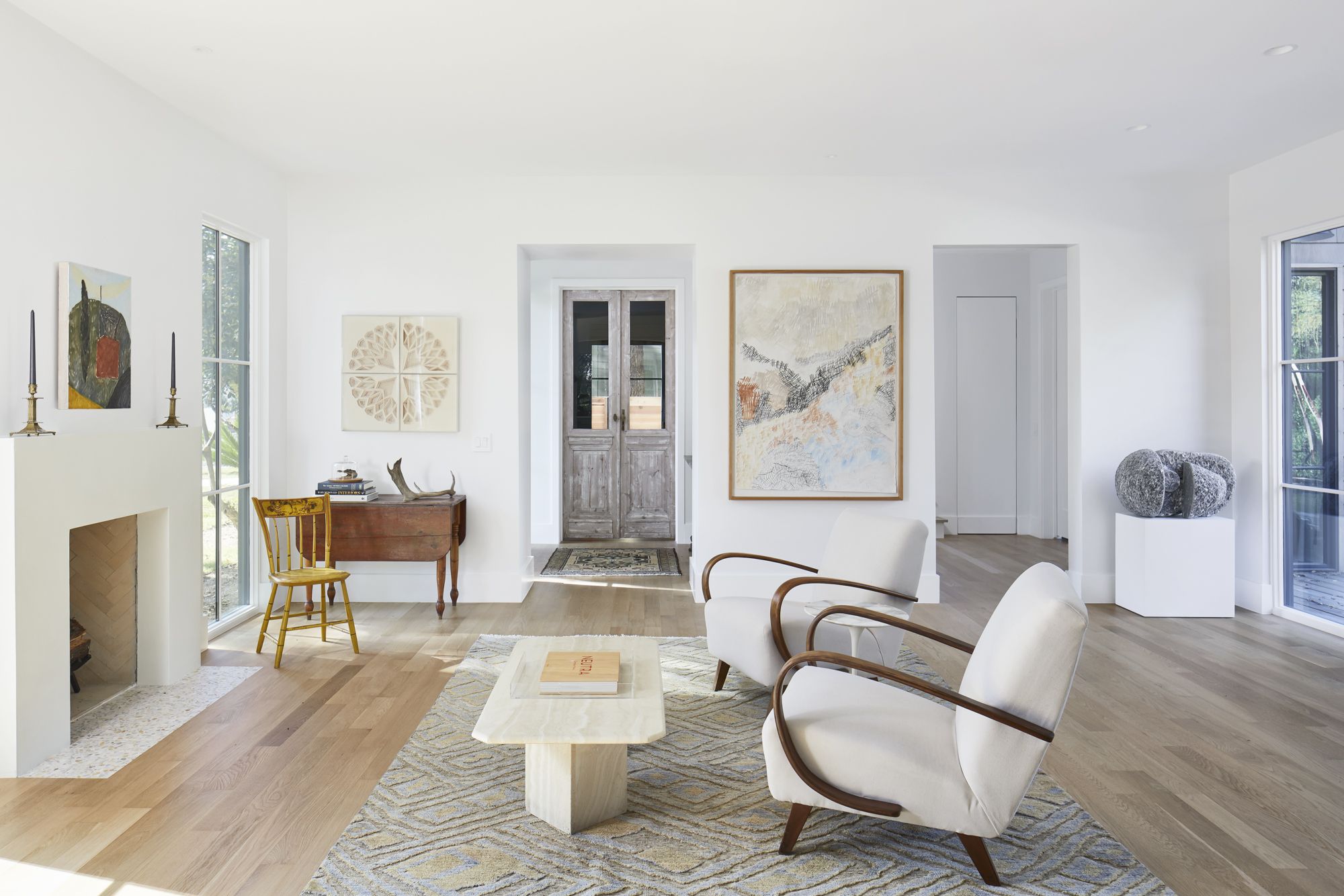
Minimalism has become one of the most influential interior design movements in modern homes. With its focus on simplicity, function, and open spaces, minimalist furniture plays a central role in creating a clean and calming environment. Rather than overwhelming a room with excess, the minimalist approach emphasizes “less but better.”
In this article, we’ll explore minimalist furniture essentials for a clean look, breaking down design principles, real-world examples, technology integration, practical benefits, and common mistakes to avoid. Whether you’re furnishing a small apartment or styling a spacious home, these essentials can help you achieve a modern, timeless aesthetic.
Why Minimalist Furniture Works for Modern Living
The Beauty of Simplicity
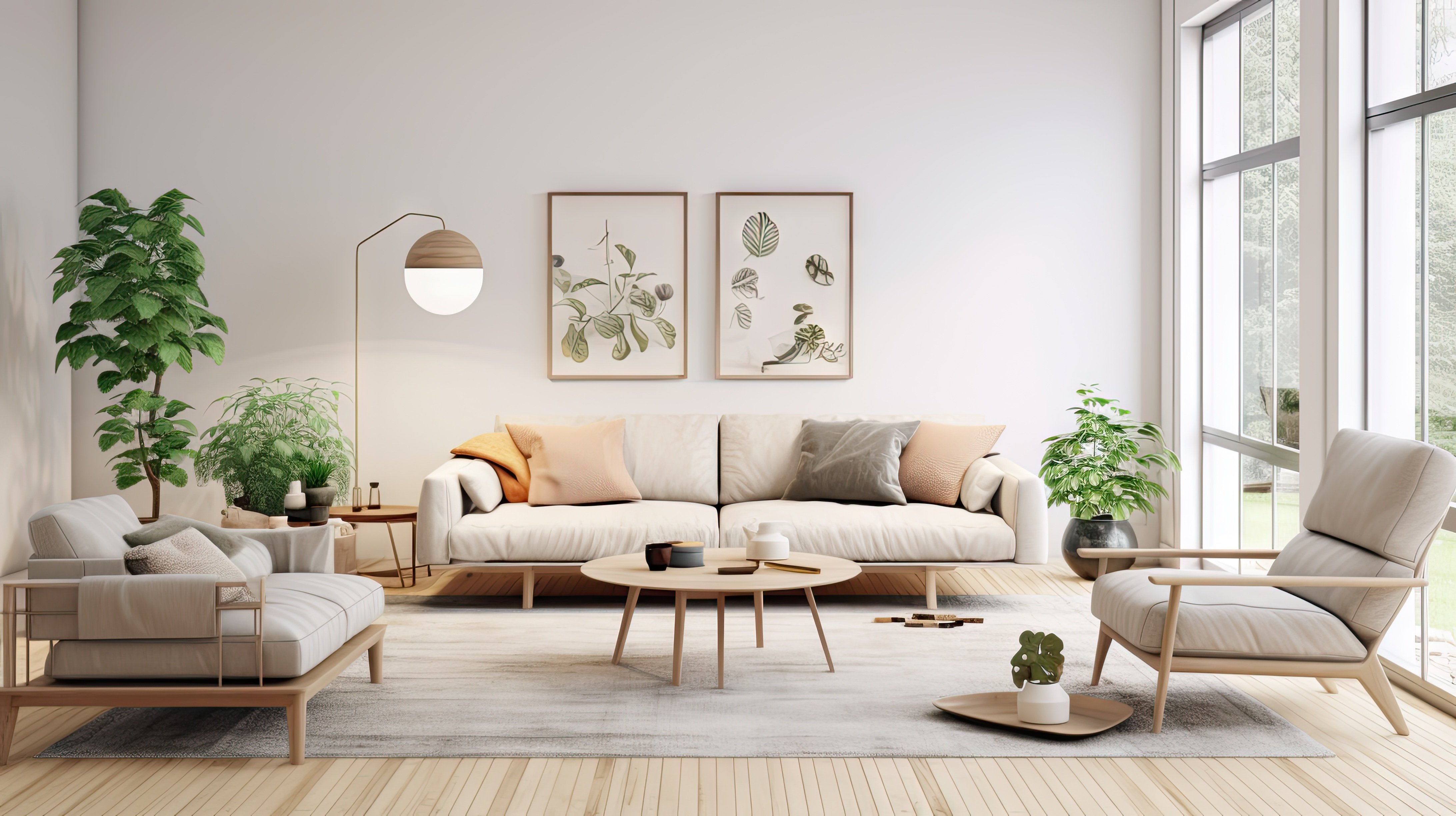
Minimalist furniture strips away unnecessary decoration, focusing on clean lines and functionality. This simplicity makes rooms feel open and calm, reducing visual noise while still maintaining comfort.
Promoting a Sense of Calm
In today’s busy world, many homeowners crave peace within their living spaces. Minimalist furniture encourages decluttering, which in turn fosters a calm, mindful atmosphere. The intentional design ensures every piece has a purpose, avoiding chaos in design.
Core Principles of Minimalist Furniture
Function Over Excess

Minimalist furniture prioritizes functionality without unnecessary ornamentation. Every item serves a purpose, whether it’s a sofa that doubles as storage or a table that adapts for multiple uses.
Clean Lines and Neutral Palettes
Most minimalist designs feature straight lines, smooth surfaces, and neutral color schemes. White, gray, beige, and natural wood tones are common, as they create a timeless and versatile foundation for any home.
Real-World Examples of Minimalist Furniture
Example 1: The Minimalist Sofa
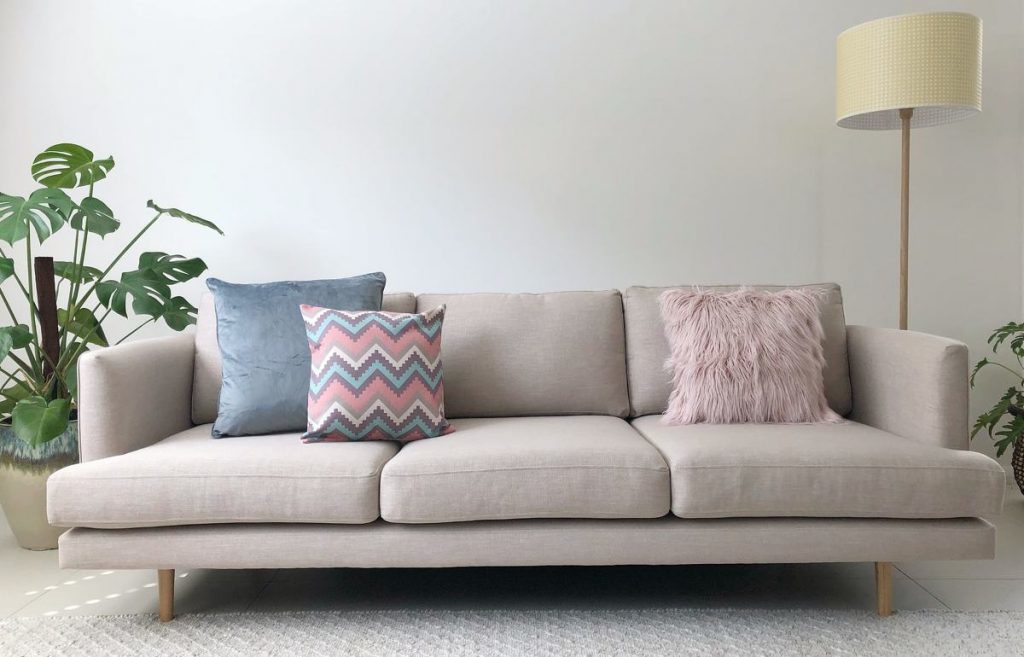
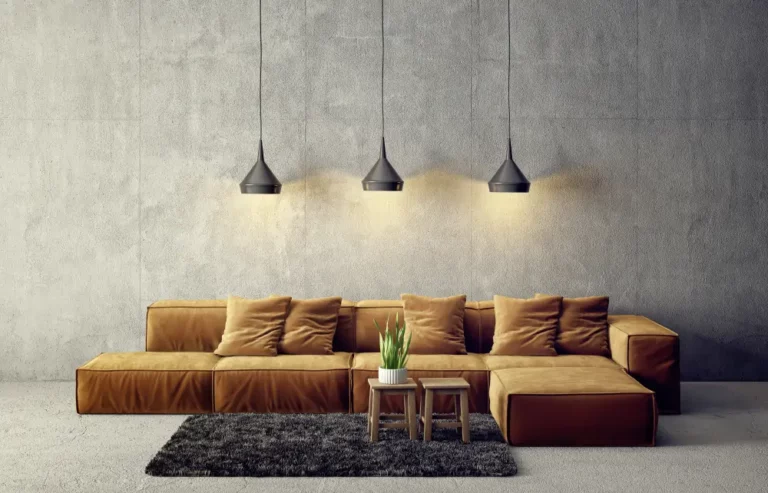
A minimalist sofa is usually sleek, with a low profile and monochromatic fabric. Its purpose is to offer comfort without being the focal point of clutter. These sofas often have hidden features, such as storage beneath cushions, adding practicality without disrupting the clean aesthetic.
Example 2: Multi-Functional Coffee Tables
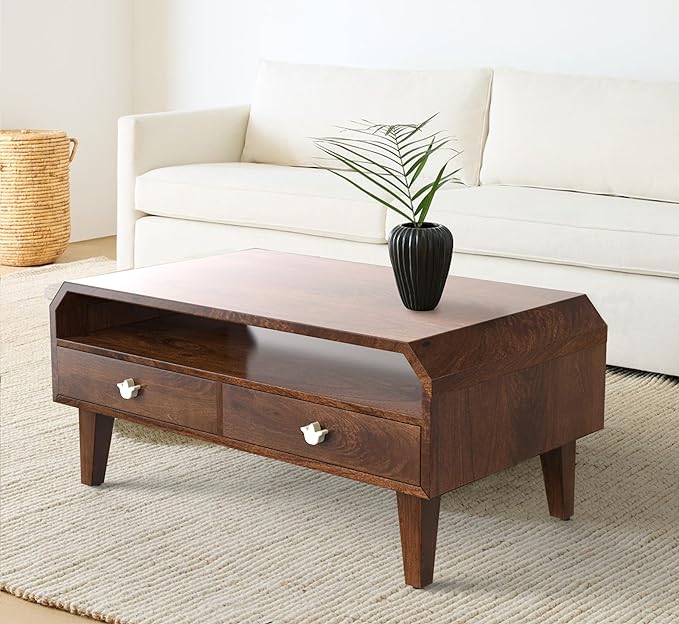
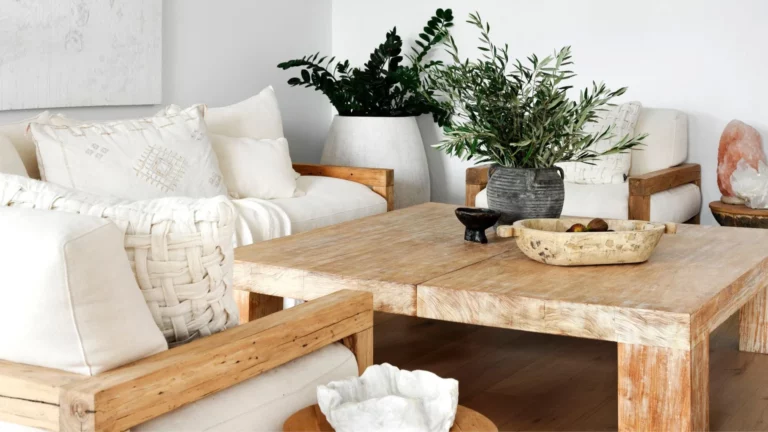
Minimalist coffee tables are designed for both aesthetics and practicality. A table with hidden storage or modular parts reduces clutter, keeping the living area visually clean. The simplicity of the design allows it to blend seamlessly with other minimalist pieces.
Example 3: Streamlined Dining Sets
:strip_icc()/dining-area-bench-woven-chairs-27c84157-d67fb3d3a16148639a84ce48816d3295.jpg)
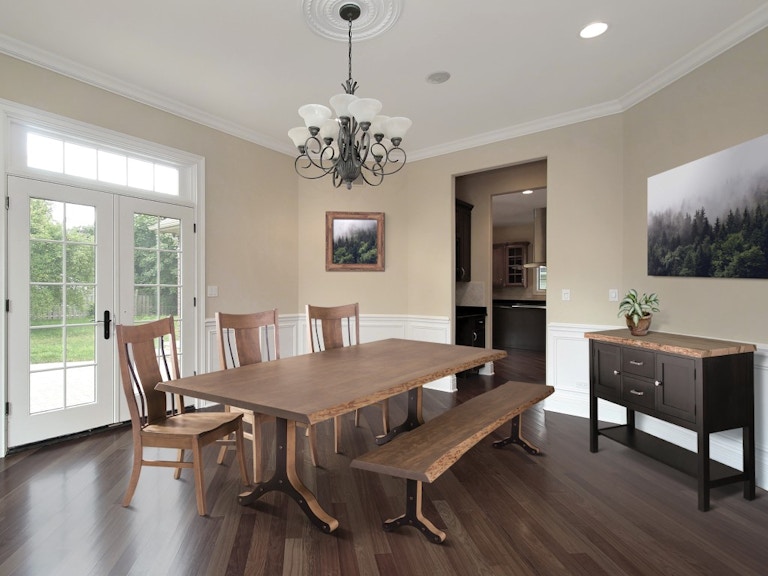
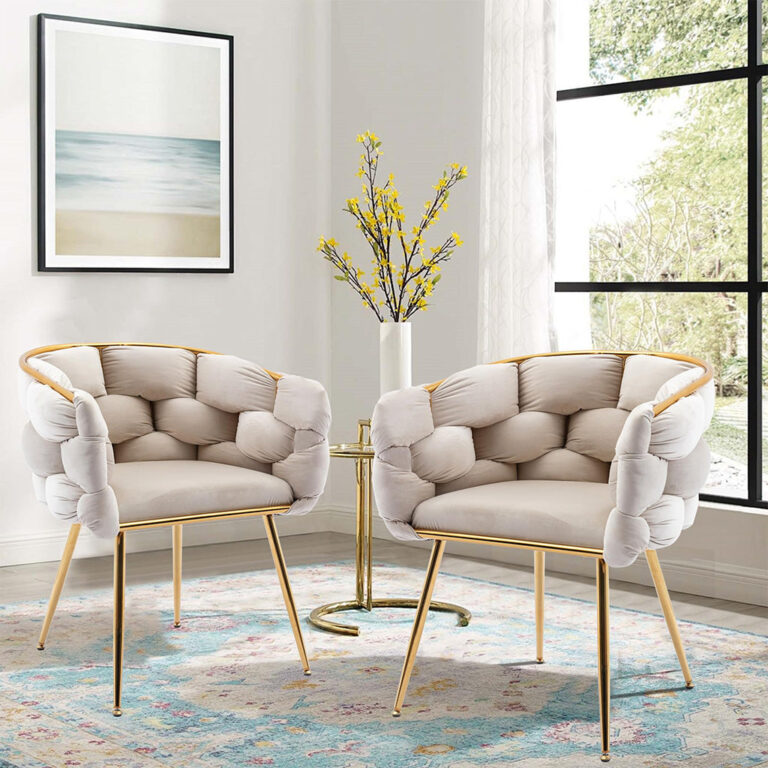
Minimalist dining sets usually consist of a slim table paired with simple chairs. Often crafted from wood or metal, their clean lines and neutral tones make them versatile and timeless. They are designed to fit in small or large spaces without dominating the room.
The Role of Technology in Minimalist Furniture
Smart Storage Solutions
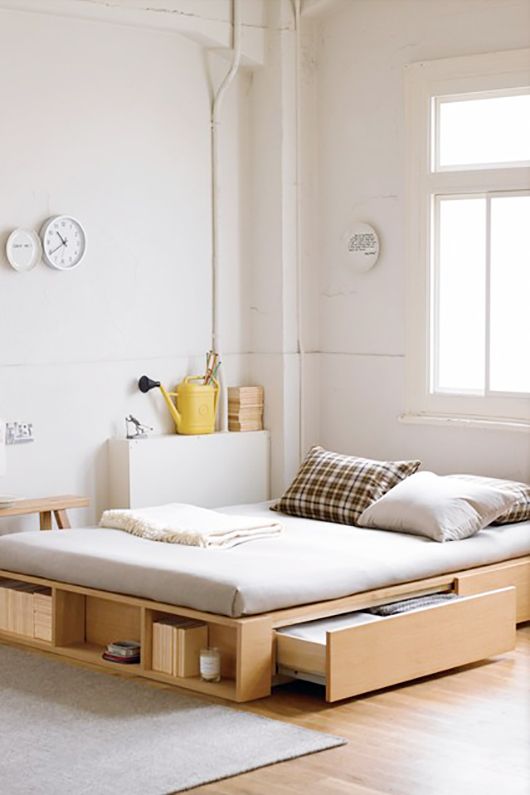
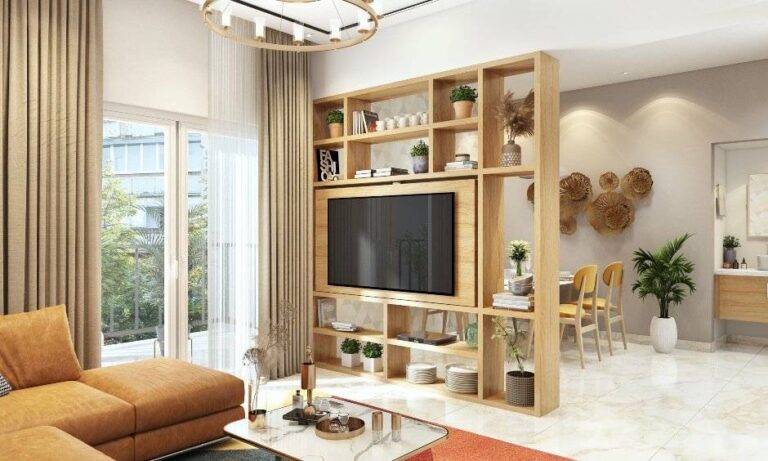
Technology plays a major role in modern minimalist furniture. Beds with built-in smart storage or modular shelves allow homeowners to maximize space without creating clutter. These solutions keep surfaces free of unnecessary items while maintaining design harmony.
Augmented Reality for Design Planning
AR tools let homeowners preview minimalist furniture in their actual space before making decisions. This prevents overcrowding and ensures the proportions of each piece fit the clean, minimalist vision.
Integrated Smart Features
Minimalist furniture often integrates discreet smart features such as wireless charging surfaces, hidden outlets, or modular lighting. These additions keep the design sleek while enhancing functionality.
Practical Benefits of Minimalist Furniture
Easier to Maintain
Minimalist designs with smooth surfaces and fewer details are much easier to clean. Dust and clutter are minimized, making maintenance more manageable for busy lifestyles.
Enhances Space Perception
Minimalist furniture makes even small apartments feel larger by reducing visual distractions. Open spaces and light-colored furniture reflect natural light, enhancing the perception of spaciousness.
Long-Lasting Appeal
Trendy furniture can go out of style quickly, but minimalist furniture’s simplicity ensures it remains timeless. This longevity makes it a sustainable choice, both in design and functionality.
Use Cases for Minimalist Furniture
-
Small Apartments – A minimalist sofa bed with built-in storage provides comfort without overwhelming limited space.
-
Family Homes – Multi-functional dining sets and smart storage solutions keep family areas tidy and uncluttered.
-
Work-from-Home Spaces – A minimalist desk with hidden cable management ensures productivity without visual clutter.
-
Urban Studios – Compact modular furniture allows flexible layouts while preserving open space.
Avoiding Mistakes When Choosing Minimalist Furniture
Overcrowding the Room

Even when pieces are minimalist, adding too many can create visual chaos. Focus on essentials that serve multiple purposes.
Ignoring Comfort
While minimalist furniture emphasizes form and function, comfort should not be sacrificed. A minimalist sofa, for example, should still provide adequate support for long-term use.
Why Minimalist Furniture is a Smart Investment
Minimalist furniture is not just about style—it’s about intentional living. By investing in clean, functional, and timeless pieces, you create a home that is easier to maintain, visually calming, and adaptable to future changes in taste.
Frequently Asked Questions
1. What colors work best for minimalist furniture?
Neutral shades such as white, gray, beige, and natural wood tones are ideal. They create a versatile foundation that complements any space.
2. Can minimalist furniture work in large homes?
Yes. Minimalist furniture enhances spaciousness, making large homes feel open and elegant rather than empty. The clean design scales beautifully across room sizes.
3. How do I prevent a minimalist home from feeling too cold or plain?
Incorporate texture through rugs, throws, or natural wood accents. Minimalism doesn’t mean lifeless—it’s about balance, warmth, and simplicity.