How to Create Cozy Home Interiors: Warm and Inviting Design Ideas for Every Room
How to Create Cozy Home Interiors: Warm and Inviting Design Ideas for Every Room

A home should feel like a sanctuary—welcoming, warm, and comfortable. While sleek, modern spaces have their charm, many homeowners crave interiors that feel inviting and lived-in. Learning how to create cozy home interiorsis about more than decor choices; it’s about designing an environment that encourages relaxation, connection, and peace.
Cozy interiors are achieved through a thoughtful mix of colours, textures, lighting, and furniture placement. It’s not just about filling a room but about creating harmony and balance that makes you feel instantly at ease. This article explores key design principles, real-world examples, and the benefits of cozy home interiors, along with practical use cases for different lifestyles.
Why Cozy Home Interiors Matter
The way your home feels directly impacts your mood, productivity, and even health. Cozy interiors are not simply about aesthetics; they shape experiences and emotions. A warm and inviting room can ease stress, encourage family bonding, and provide a much-needed escape from the demands of daily life.
In recent years, cozy design has gained attention as people spend more time at home. Comfort, warmth, and functionality are now central to interior design trends, making coziness an essential design goal rather than just a style preference.
Key Elements of Cozy Home Interiors
Creating a cozy home involves layering multiple design elements to achieve comfort and warmth. From colour palettes to furniture choices, each aspect plays a role in shaping atmosphere.
Warm and Inviting Colours
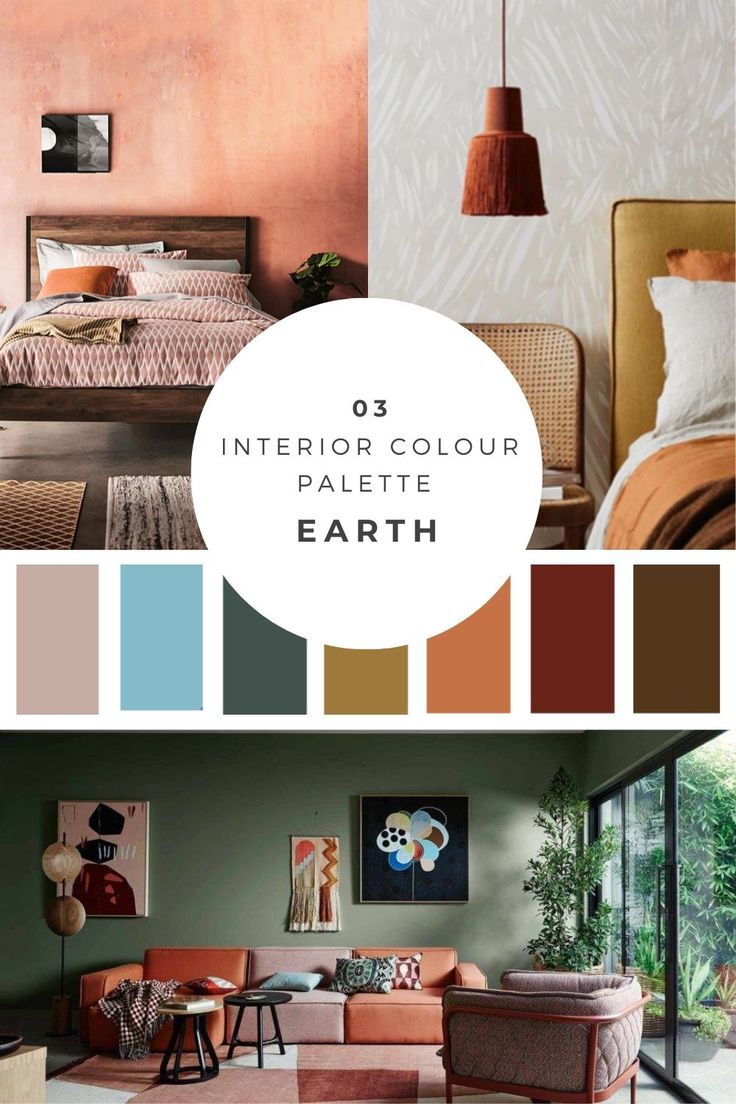
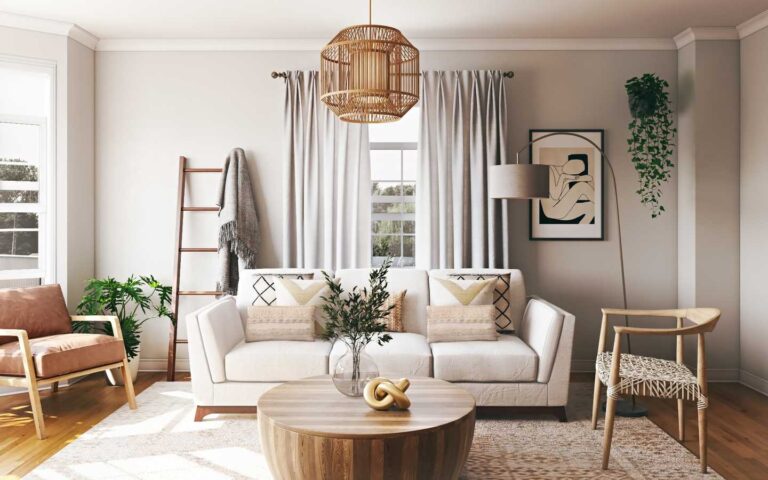
The colour scheme sets the foundation for a cozy home. Soft neutrals, warm earth tones, and muted pastels create calming backdrops. Shades like creamy beige, taupe, warm grey, and terracotta evoke comfort without overwhelming the senses.
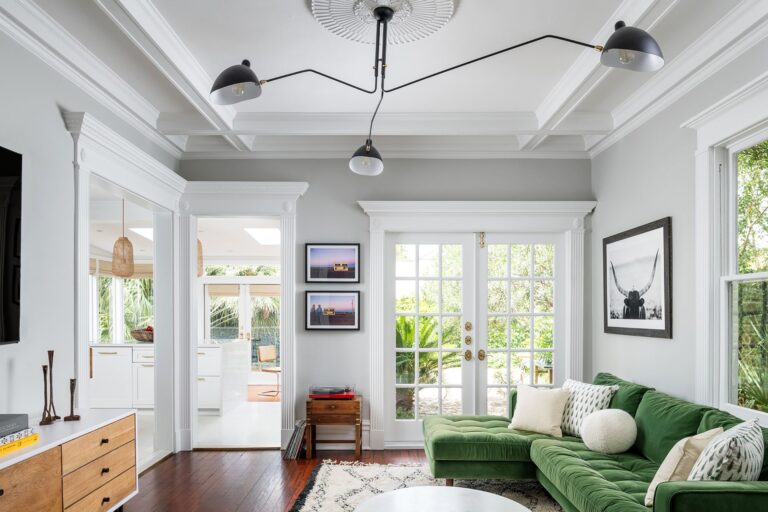
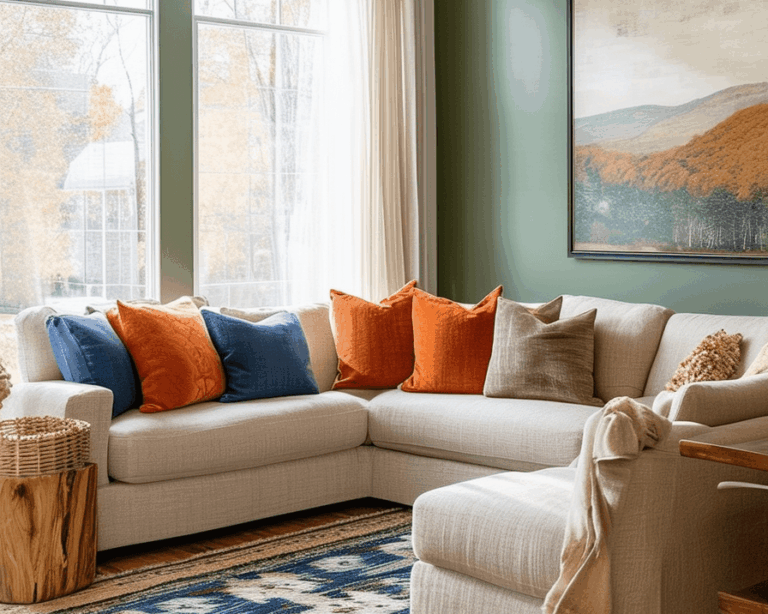
Accent colours also play an important role. Deep greens, soft blues, or muted burgundy can add richness while maintaining balance. Choosing a cohesive palette across rooms ensures harmony throughout the home.
The Power of Textures
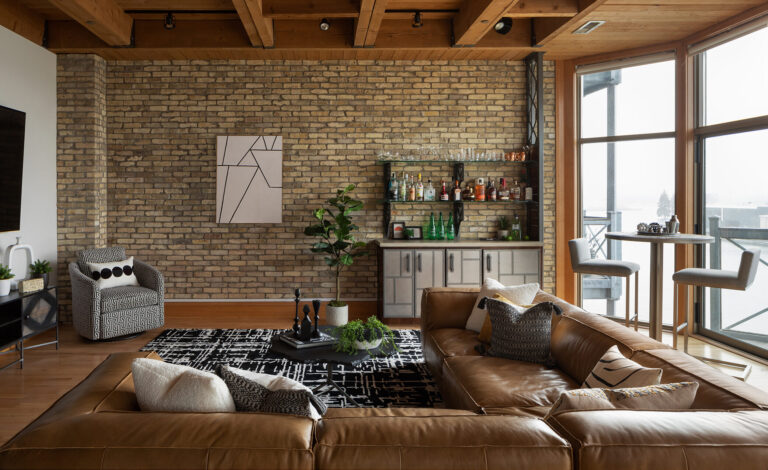
Texture adds depth and tactile warmth to interiors. Plush rugs, knitted throws, velvet cushions, and linen curtains make spaces feel layered and lived-in. The contrast between smooth and rough surfaces—like pairing polished wood with woven baskets—creates balance and coziness.
Soft furnishings are particularly effective in enhancing comfort. Beyond aesthetics, they invite touch and relaxation, making a room truly feel like home.
Lighting for Warmth
Lighting is one of the most important aspects of creating cozy interiors. Harsh overhead lights can make a space feel sterile, while layered lighting builds atmosphere. Combining floor lamps, table lamps, and wall sconces with warm-toned bulbs softens the room.
Candlelight and string lights also add intimacy and charm. Dimmer switches are another useful addition, allowing you to adjust brightness according to mood and activity.
Furniture Placement and Scale
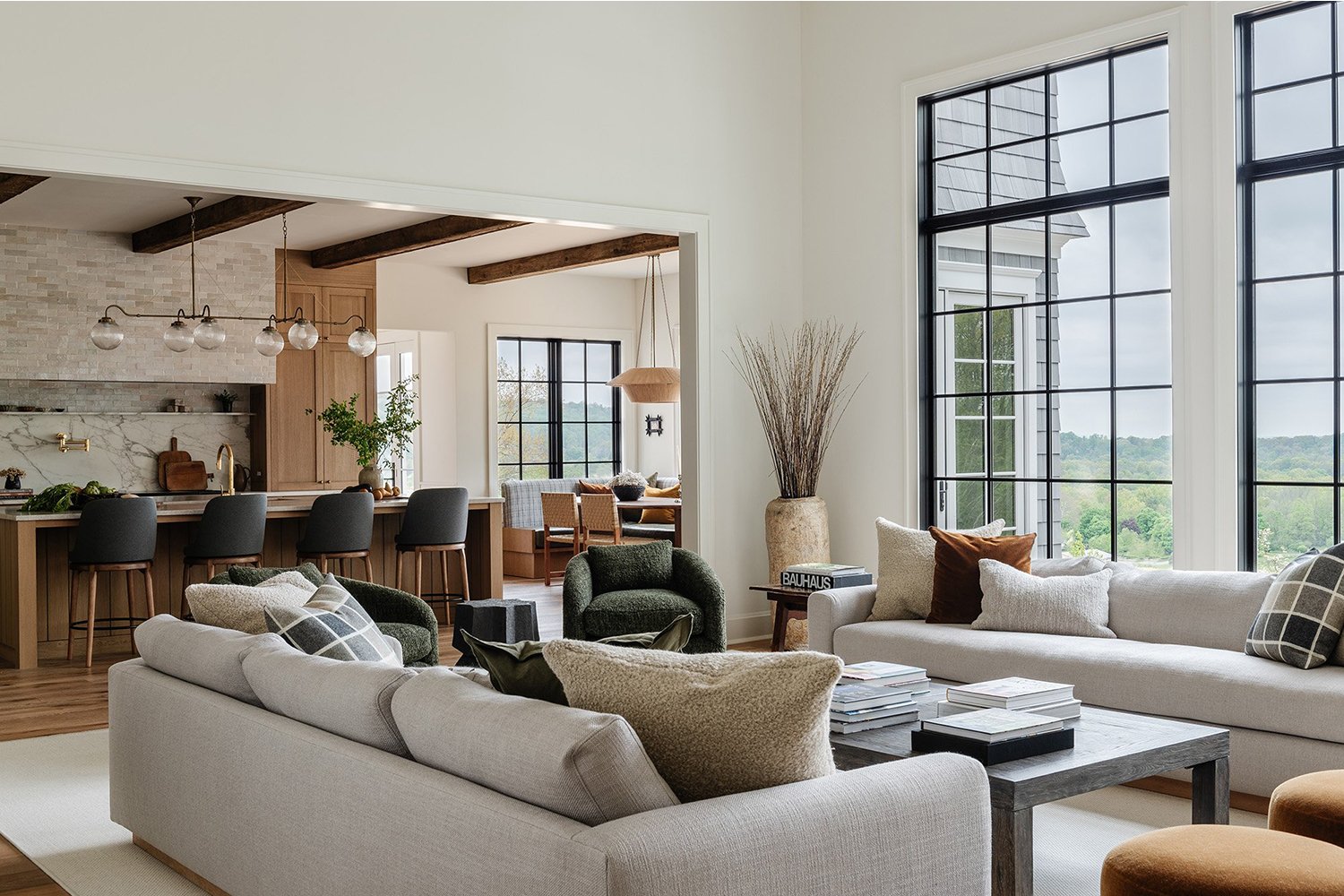
Furniture arrangement affects how welcoming a room feels. Placing seating close together encourages conversation and intimacy, while oversized furniture creates comfort and grounding.
Avoid clutter by choosing fewer but more meaningful pieces. Incorporating rounded edges and soft lines in furniture also enhances warmth compared to sharp, minimalist designs.
Real-World Examples of Cozy Interior Products
To bring these ideas to life, here are five real-world products that embody cozy interior design principles. Each example shows how materials, colours, or technology enhance warmth and comfort in everyday living.
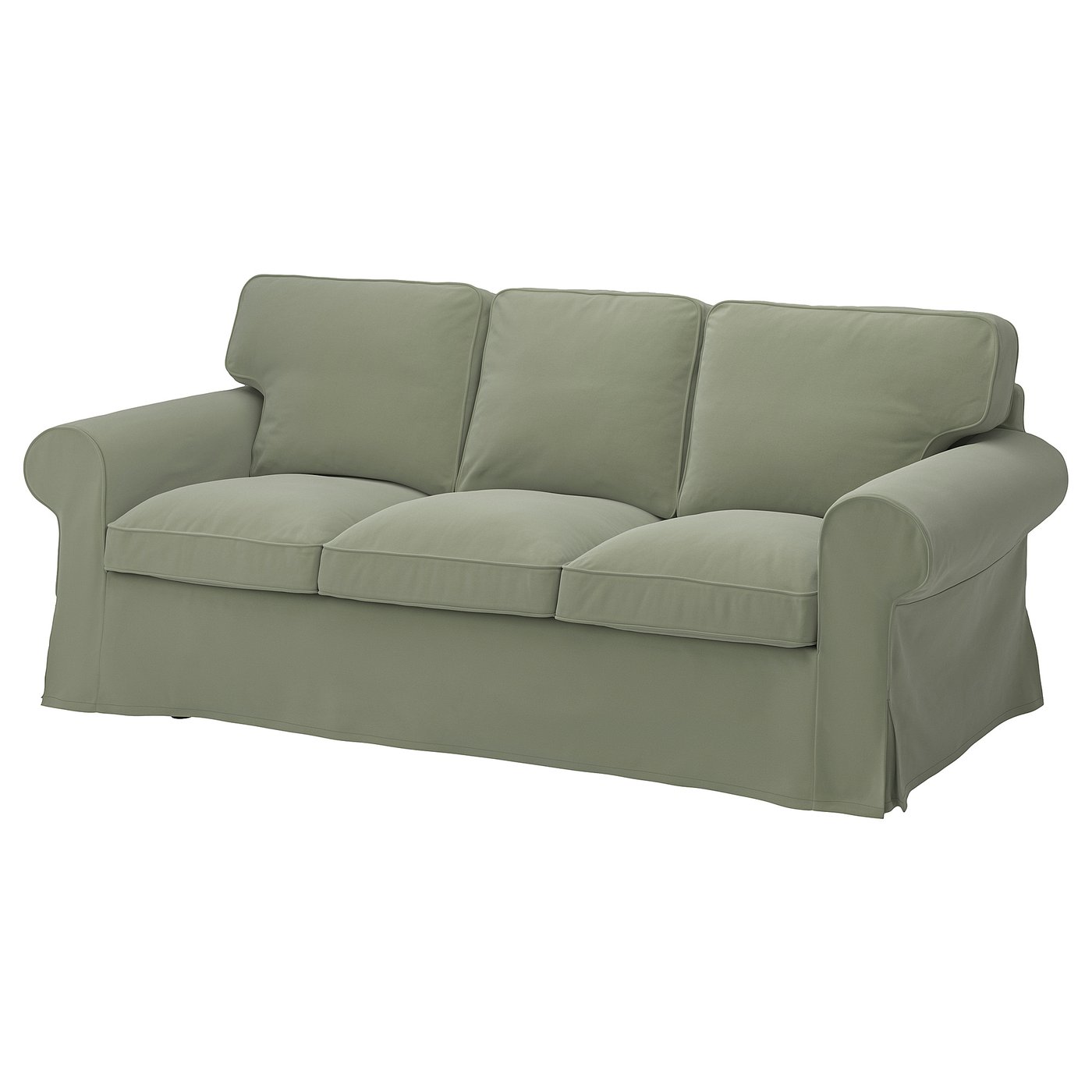
The EKTORP sofa is known for its deep cushions and inviting shape. With removable, washable covers, it combines practicality with comfort. Its soft lines and generous seating make it an anchor for cozy living rooms.
Relevance: The EKTORP shows how furniture scale and softness create warmth, making it perfect for family gatherings and casual relaxation.

Philips Hue bulbs allow users to adjust colour temperature and brightness through smart technology. By shifting from bright daylight tones to warm amber hues, they help set the mood for cozy evenings.
Relevance: This example illustrates how technology can directly enhance coziness, giving homeowners control over ambiance at any time.
West Elm Faux Fur Throw Blanket
A faux fur throw instantly elevates a sofa or bed, adding tactile luxury. West Elm’s version combines warmth with elegance, making any corner of the home feel inviting.
Relevance: This product demonstrates how layering textures can make even minimalist spaces cozy and personal.
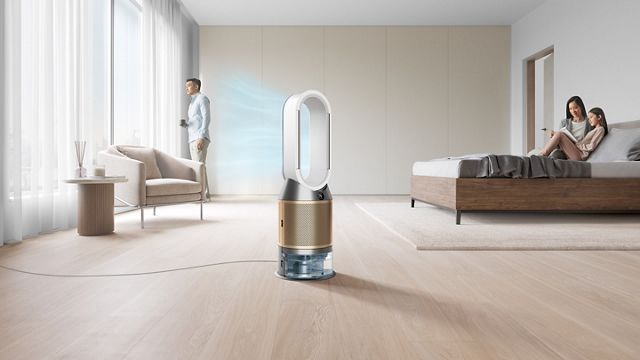
Air quality contributes to comfort, and Dyson’s purifier ensures homes feel fresh and breathable. Combining purification with humidifying functions, it supports a healthier and cozier environment.
Relevance: This highlights how modern technology merges comfort with wellness, reinforcing the importance of a cozy atmosphere beyond visuals.
A wool rug adds warmth underfoot while tying a room together visually. Pottery Barn’s handcrafted rugs showcase rich textures and patterns that complement cozy palettes.
Relevance: Rugs show how flooring choices impact coziness, providing both tactile comfort and visual grounding.
Benefits of Cozy Home Interiors
Cozy home interiors offer more than style—they provide psychological and physical benefits.
-
Stress Relief: Warm lighting and soft textures create a calming effect, reducing anxiety.
-
Improved Social Interaction: Cozy spaces encourage family and friends to gather, talk, and connect.
-
Personal Sanctuary: Having areas that feel warm and inviting supports self-care and rest.
-
Functional Comfort: Cozy designs balance beauty with everyday usability, ensuring homes feel lived-in, not staged.
-
Adaptability: Cozy interiors work across styles, from rustic to modern, allowing personalization without sacrificing warmth.
Practical Use Cases of Cozy Interiors
1. Work-from-Home Comfort
With remote work on the rise, cozy design helps reduce stress and enhance focus in home offices. Warm colours and layered textures offset digital fatigue.
2. Small Space Transformation
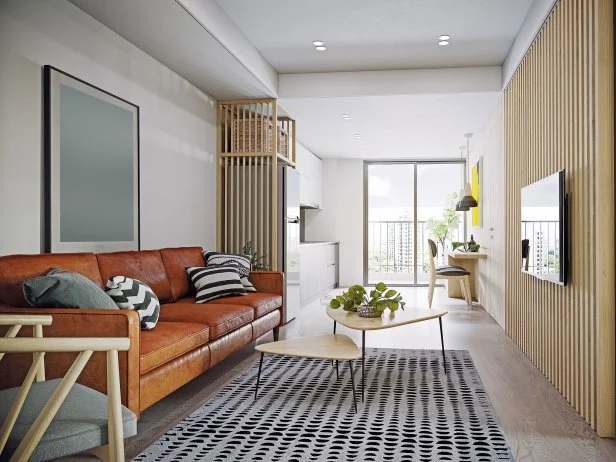
Even compact apartments benefit from cozy design. Clever furniture placement, warm lighting, and multi-use pieces create comfort without clutter.
3. Family Living Areas
Cozy interiors foster togetherness. A soft sofa, layered textiles, and warm tones make living rooms ideal for bonding.
4. Seasonal Adaptation
Cozy design works year-round. Lightweight textures for summer and heavier fabrics for winter allow flexibility while maintaining comfort.
5. Wellness-Oriented Spaces
Integrating air purifiers, humidifiers, and ergonomic furniture supports both physical well-being and mental calmness.
Frequently Asked Questions
1. How do I make a modern minimalist home feel cozy?
Add warmth with textured fabrics, layered lighting, and soft accent colours. Even a minimalist space can feel inviting by incorporating tactile and atmospheric elements.
2. What colours make a home feel cozy?
Warm neutrals like beige, taupe, and terracotta, along with muted greens and blues, create calming and welcoming interiors.
3. Is cozy interior design expensive to achieve?
Not necessarily. Cozy interiors rely more on thoughtful choices—like lighting, textiles, and arrangement—than expensive purchases. Even small changes, like adding a throw blanket or warm-toned bulb, can make a big difference.