Feng Shui Colours for Living Room: Harmonious Ideas for Balance and Energy Flow
Feng Shui Colours for Living Room: Harmonious Ideas for Balance and Energy Flow

The living room is often considered the heart of the home, where families gather and guests are welcomed. In Feng Shui, this space holds significant importance because it influences how energy, or “chi,” flows through the household. One of the most powerful ways to harmonize this energy is through colour. Choosing the right Feng Shui colours for the living room can enhance well-being, invite prosperity, and create a balanced atmosphere.
This article explores the principles behind Feng Shui colour use, practical examples of colour choices, real-world design products, and the benefits of applying Feng Shui to your living room.
Understanding Feng Shui and Colour Energy
Feng Shui is an ancient Chinese practice that harmonizes spaces with natural elements to encourage positive energy flow. Colours play a crucial role, as they are directly associated with the five Feng Shui elements: Wood, Fire, Earth, Metal, and Water.
By aligning your living room colours with these elements, you can achieve balance and tailor your environment to support specific intentions, such as relaxation, social connection, or financial growth.
The Five Elements and Their Colours
-
Wood: Green and brown (growth, vitality, health)
-
Fire: Red, orange, purple, pink (passion, energy, enthusiasm)
-
Earth: Yellow, beige, sandy tones (stability, nourishment, balance)
-
Metal: White, gray, metallic shades (clarity, precision, efficiency)
-
Water: Blue, black (calmness, wisdom, flow)
Each element brings unique energy, and the choice of living room colours should reflect the balance you wish to cultivate.
Popular Feng Shui Colour Choices for Living Rooms
The living room should feel inviting, harmonious, and balanced. Here are some colour options aligned with Feng Shui principles:
Earthy Neutrals for Stability
Beige, taupe, and soft yellows create a grounding atmosphere in living rooms. These earthy tones represent the Earth element, which promotes stability, warmth, and nourishment.
Using these colours as a base allows flexibility in adding accent hues without overwhelming the space. They are especially effective in homes that need calm and balance.
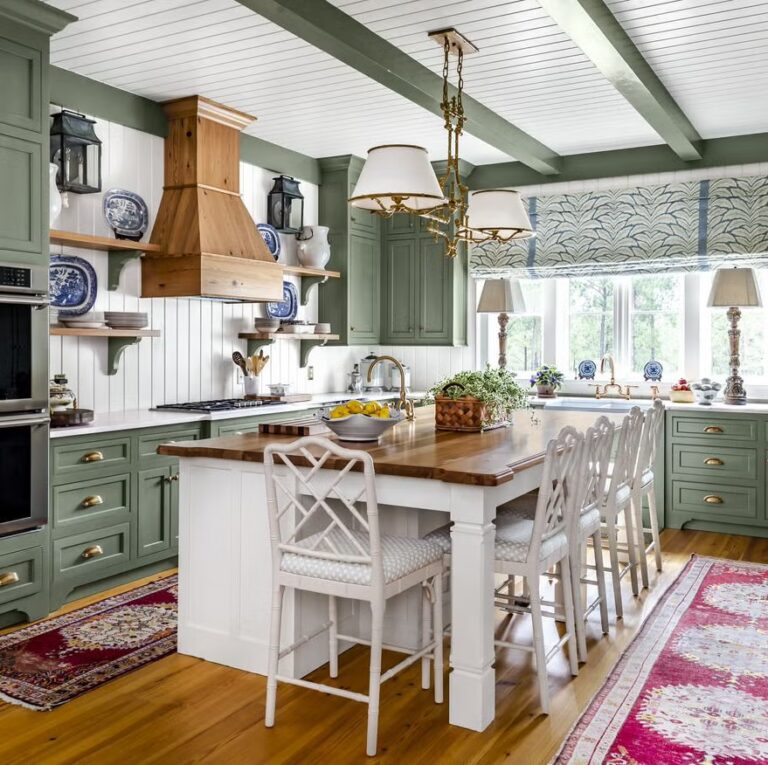
Greens for Growth and Renewal
Green represents the Wood element and symbolizes health, vitality, and growth. Living rooms painted in soft sage or accented with leafy plants bring a refreshing energy into the space.
This colour works especially well in households where relaxation and rejuvenation are priorities. It also encourages family harmony and well-being.
Blues for Calm and Flow
Blue, associated with the Water element, is ideal for creating a calming and soothing environment. Soft blues work well in modern or coastal living rooms, while deeper blues promote introspection and peace.
Balanced correctly, blue tones enhance clarity of thought and encourage relaxation — perfect for unwinding after a long day.
Reds and Oranges for Vibrancy
The Fire element, represented by reds and oranges, injects passion, excitement, and energy into a living room. While bold red walls may feel overpowering, accents like cushions, artwork, or rugs add a vibrant spark without overwhelming the space.
Fire tones are particularly effective in social homes where gatherings and lively conversations are common.
Whites and Grays for Clarity
White and gray align with the Metal element, symbolizing clarity, precision, and creativity. These tones are excellent for modern living rooms with clean lines and minimalist aesthetics.
While too much gray may feel cold, balancing it with warmer accents ensures a harmonious environment.
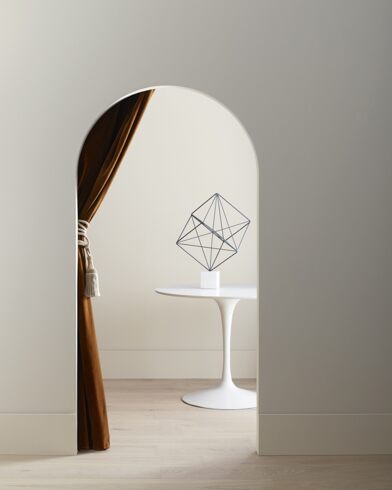
Benjamin Moore “Balboa Mist” Paint
Balboa Mist is a neutral beige-grey shade that embodies Earth element energy. It offers a soft, versatile backdrop that adapts easily to different accent colours.
Relevance: This paint colour is ideal for creating stability and balance, making it perfect for family-oriented living rooms seeking warmth without heaviness.

Sherwin-Williams “Sea Salt” Paint
Sea Salt is a muted green-blue tone that represents both Wood and Water elements. It creates a refreshing and serene atmosphere.
Relevance: This colour works well in living rooms where relaxation and harmony are the goals. Its versatility suits both traditional and modern interiors.
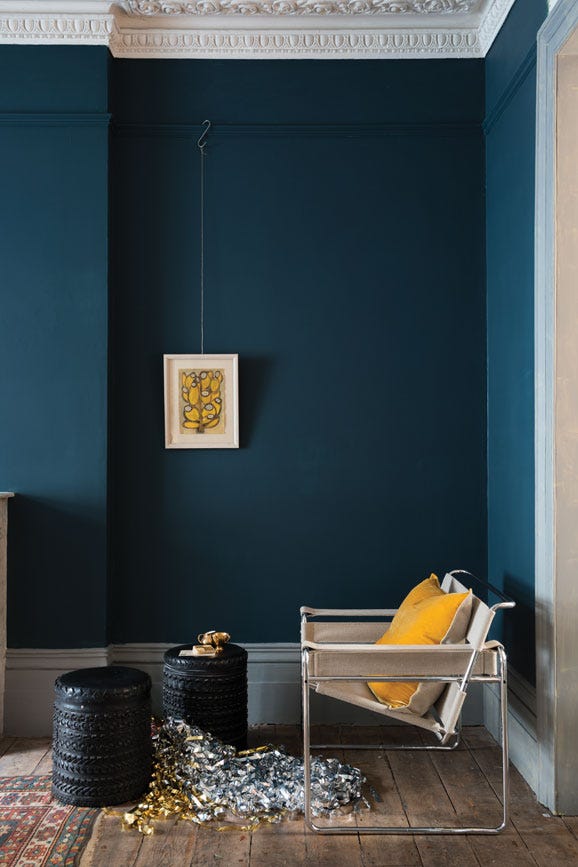
Farrow & Ball “Hague Blue”
This deep, sophisticated blue enhances the Water element, promoting tranquility and depth. It’s often used on accent walls or cabinetry to bring richness to a space.
Relevance: Hague Blue is ideal for creating a calming yet bold statement in living rooms, balancing relaxation with elegance.
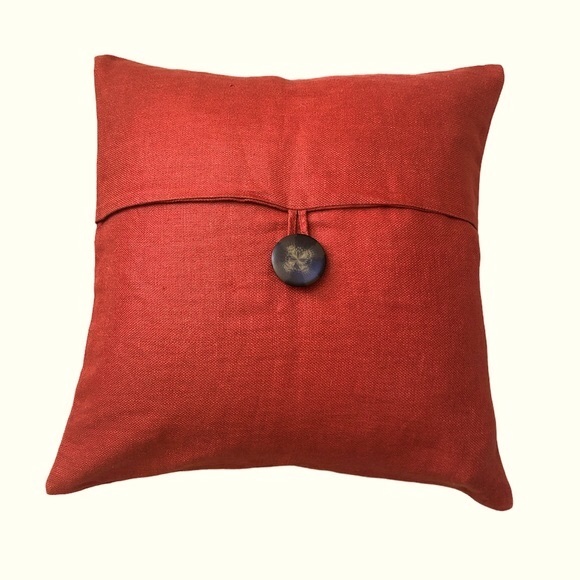
Pottery Barn Rust-Toned Throw Pillows
Accessories like rust or terracotta pillows embody Fire energy without overwhelming a room. These tones provide vibrancy while keeping the design grounded.
Relevance: Small accents in fiery hues bring warmth and excitement, encouraging social interaction in living spaces.
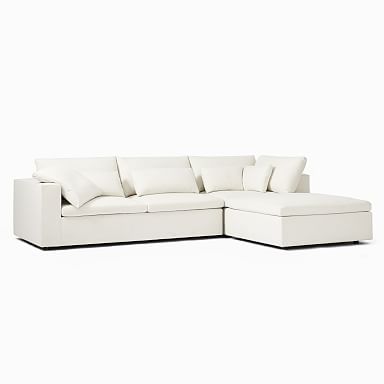
West Elm White Modular Sofa
A clean, white sofa enhances the Metal element, symbolizing clarity and creativity. It also provides a neutral foundation for layering other Feng Shui colours.
Relevance: This product demonstrates how core furniture pieces can reinforce a balanced, harmonious energy in the living room.
Benefits of Using Feng Shui Colours in Living Rooms
Applying Feng Shui colour principles goes beyond aesthetics. It offers practical benefits that positively influence daily life.
-
Enhanced Energy Flow: Correct colour use improves chi circulation, fostering balance and vitality.
-
Emotional Well-Being: Calming colours reduce stress, while vibrant hues boost enthusiasm and positivity.
-
Stronger Relationships: Harmonious spaces encourage open communication and family bonding.
-
Personal Growth: Different colours can support goals, from career clarity to health improvement.
-
Timeless Design: Feng Shui principles ensure colour schemes feel balanced and enduring, not trend-dependent.
Practical Use Cases of Feng Shui Colours
1. Creating a Relaxing Family Retreat
Applying earthy tones with soft greens transforms a living room into a restorative haven, perfect for families needing stability.
2. Encouraging Social Interaction
Adding fire-toned accents like red cushions or terracotta décor enhances vibrancy, making gatherings more lively and engaging.
3. Promoting Clarity and Focus
White and gray-based living rooms encourage mental clarity, ideal for households that work or study in shared spaces.
4. Supporting Wellness and Calm
Blue tones can transform a stressful environment into a tranquil sanctuary, encouraging rest and relaxation.
5. Balancing Modern Aesthetics with Tradition
Using Feng Shui colour principles allows homeowners to design stylish living rooms that also align with cultural values and energy flow.
Frequently Asked Questions
1. Can I mix multiple Feng Shui colours in my living room?
Yes. Balance is key in Feng Shui. Combining complementary colours, such as earthy neutrals with green or blue accents, creates harmony without overwhelming the space.
2. What if I prefer bold colours like red?
Bold colours like red can be used, but in moderation. They are best applied as accents in cushions, rugs, or artwork rather than covering entire walls.
3. Do Feng Shui colours work in modern living room designs?
Absolutely. Feng Shui is adaptable. Modern interiors can incorporate these principles through accent walls, furniture, or accessories without sacrificing contemporary style.