Bedroom Colour Psychology: Relaxing Colours to Create a Peaceful Sleep Space
Bedroom Colour Psychology: Relaxing Colours to Create a Peaceful Sleep Space

The colours you choose for your bedroom are more than just an aesthetic preference. They directly influence your emotions, mood, and even the quality of your sleep. Through the lens of colour psychology, certain shades are proven to promote relaxation, reduce stress, and create a sanctuary where you can recharge.
This article explores how bedroom colour psychology works, the best relaxing colours to use, real-world inspirations, and practical ways to apply these insights for a calming sleep environment.
Why Bedroom Colour Psychology Matters
Bedrooms are intimate spaces designed for rest and renewal. Unlike other areas of the home, their primary purpose is to promote calmness and comfort. Research in colour psychology shows that hues impact heart rate, stress levels, and emotional responses. Choosing the right colours can create a tranquil environment that supports better sleep and relaxation.
For example, cool shades like blue and green naturally reduce stress, while muted neutrals bring warmth without overstimulating the senses. On the other hand, overly bright or harsh colours may disrupt rest, making it harder to wind down.
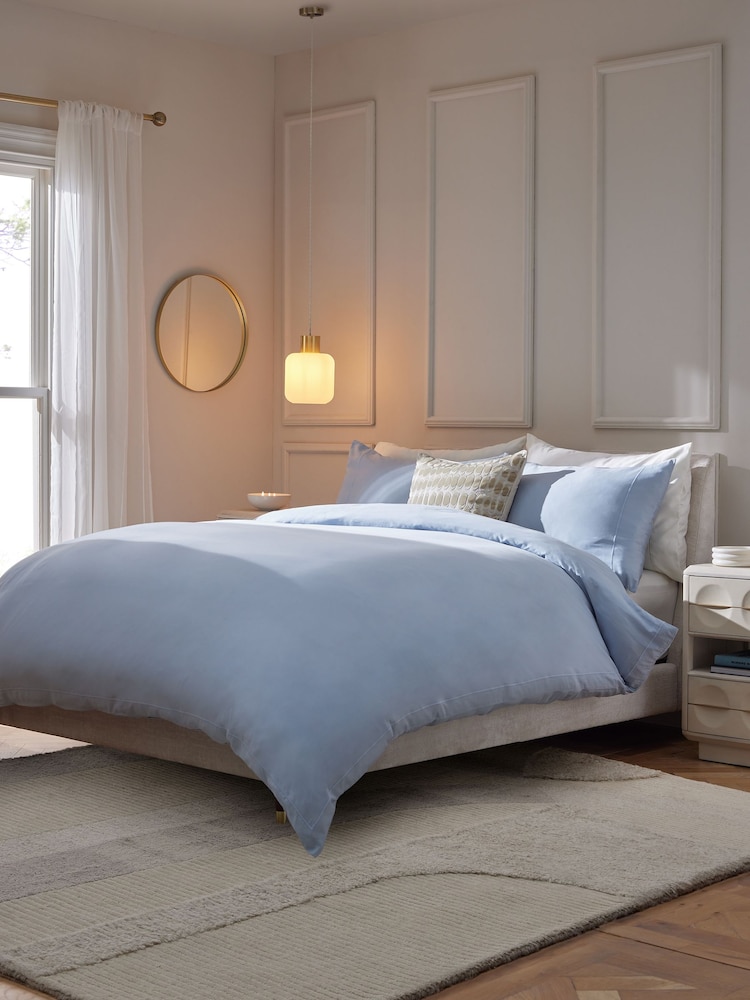
Soft Blue Bedding Set
A sky-blue bedding set paired with neutral walls creates a serene, spa-like environment.
Relevance: Blue is one of the most widely recommended colours for bedrooms, as it evokes feelings of peace and slows down stress-related responses in the body.
The Psychology of Relaxing Colours
Colours communicate with our minds on a subconscious level. Each shade has an emotional association that can make us feel energized, calm, or even anxious.
-
Blue: Known for its calming effects, blue lowers blood pressure and slows breathing, making it ideal for bedrooms.
-
Green: Associated with nature, green represents balance and tranquility, offering a refreshing yet soothing atmosphere.
-
Lavender and Soft Purple: Gentle shades of purple provide a sense of luxury and calm without overwhelming intensity.
-
Neutral Tones (Beige, Taupe, Soft Grey): These colours act as grounding shades, giving bedrooms a cozy and balanced backdrop.
-
Soft Pink or Blush: Light pink shades create warmth and tenderness, promoting relaxation when paired with neutrals.
The trick lies in choosing muted and pastel variations rather than bold, saturated hues, which can be overstimulating.

Light Green Accent Wall
A pale green accent wall behind the bed introduces natural calmness without overpowering the room.
Relevance: Green reflects balance and nature, making it one of the most psychologically restorative colours for a relaxing bedroom.
Real-World Examples of Relaxing Bedroom Colour Schemes
Scandinavian Minimalist Bedroom
A combination of soft grey walls, white furniture, and pale wood accents creates a clean, airy, and stress-free retreat. The neutral palette ensures timelessness and a sense of calm.
Coastal-Inspired Bedroom
Light blue walls paired with sandy beige linens evoke the calm of the seaside. This combination reduces stress while creating a refreshing yet cozy environment.
Botanical-Themed Bedroom
Green bedding with leafy patterns and muted beige walls create a natural and grounding atmosphere, connecting the space to the outdoors.
Romantic Blush Bedroom
Soft pink walls combined with ivory curtains and light wood furniture bring warmth and tenderness to the room, perfect for promoting emotional comfort.
Lavender Retreat
A pastel lavender headboard paired with grey walls and minimal décor strikes a balance between elegance and calmness.
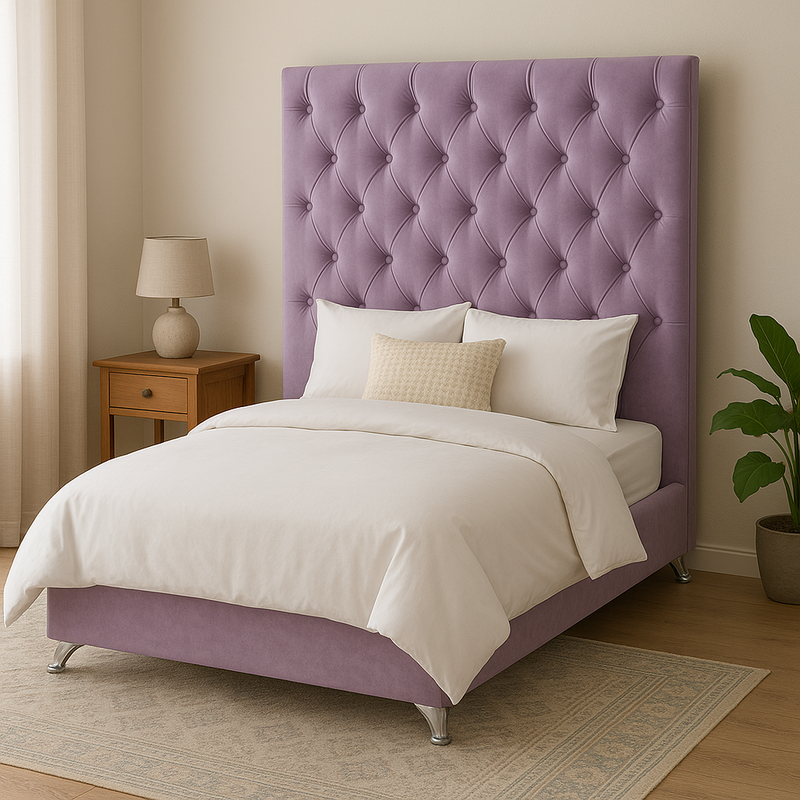
Lavender-Coloured Headboard
This pastel lavender headboard paired with neutral décor provides subtle luxury while maintaining a restful vibe.
Relevance: Lavender is psychologically calming and adds a gentle layer of sophistication to bedroom design.
How Lighting Influences Bedroom Colours
Lighting plays a crucial role in how bedroom colours are perceived. Natural light enhances softer shades, while artificial lighting can change their tone. Warm lighting emphasizes coziness, while cool lighting enhances freshness and calm.
When designing a bedroom, consider how your chosen colours will look under both day and night lighting. Muted colours maintain their calming effect regardless of light variations, ensuring the bedroom remains restful throughout the day.

Smart Lighting System
Adjustable smart lighting allows homeowners to change the tone of light from cool to warm, enhancing the mood of their chosen bedroom colours.
Relevance: Technology enhances the flexibility of bedroom colour psychology by allowing different atmospheres for relaxation, reading, or sleeping.
The Role of Technology in Choosing Bedroom Colours
Modern technology has simplified colour selection through augmented reality (AR) and digital design tools. Homeowners can visualize how different colours will look in their bedroom before committing.
Platforms like mood board apps and AR painting tools help compare shades, lighting effects, and furniture pairings. This avoids costly mistakes and ensures that chosen colours align with the goal of creating a relaxing bedroom environment.

Dulux Visualizer App
This app allows users to see how different wall colours will look in their bedroom instantly.
Relevance: Digital tools empower homeowners to experiment with colour psychology confidently, ensuring the final choice supports relaxation.
Benefits of Relaxing Bedroom Colours
-
Better Sleep Quality: Soft shades reduce stress, making it easier to fall and stay asleep.
-
Stress Reduction: Calming colours like blue and green lower cortisol levels and heart rate.
-
Improved Mood: Muted tones create emotional stability, making the bedroom a peaceful sanctuary.
-
Timeless Design: Neutral and soft colour palettes remain stylish over the years, reducing the need for frequent redesigns.
-
Versatility: Relaxing colours can be paired with seasonal accents, allowing flexibility without losing serenity.
Practical Use Cases of Bedroom Colour Psychology
1. For Insomnia Relief
Switching to calming blue or green wall colours can create a restful environment that encourages better sleep cycles.
2. For Stressful Lifestyles
Busy professionals benefit from soft grey or beige tones, which promote mental calmness after long workdays.
3. For Couples’ Bedrooms
Neutral tones combined with soft blush accents promote harmony, warmth, and emotional connection.
4. For Small Apartments
Light colours like pastel blue or off-white make small bedrooms appear larger and less claustrophobic while maintaining a calming effect.
5. For Elderly Family Members
Gentle lavender and warm beige create a comforting and restful environment, ideal for relaxation and emotional well-being.
Frequently Asked Questions
1. What is the most relaxing colour for a bedroom?
Blue is widely recognized as the most calming colour for bedrooms. Its psychological effects include reducing stress and slowing heart rate, making it ideal for restful sleep.
2. Are dark colours bad for bedrooms?
Not necessarily, but dark colours should be used sparingly. While they can add coziness, they may also feel heavy or overwhelming. Pairing them with lighter accents ensures balance.
3. How can I make my bedroom more relaxing without repainting?
Incorporate relaxing colours through bedding, curtains, and décor accents. Even small changes like soft green pillows or a lavender throw blanket can shift the bedroom’s overall mood.