New Build vs. Resale Homes: Which is Better for First-Time Buyers?
New Build vs. Resale Homes: Which is Better for First-Time Buyers?
Buying your first home is one of the biggest financial decisions you will ever make. One of the earliest questions every first-time buyer faces is whether to purchase a brand-new build or a resale home. While both options offer unique benefits and potential drawbacks, the right choice depends on lifestyle, priorities, and long-term financial goals.
This guide will walk you through everything you need to know about new builds versus resale homes, including in-depth comparisons, practical use cases, real-world examples, and how technology can make the decision easier.
Insert image of the product
Newly Built Homes in a Modern Suburban Development
Relevance: New build properties often attract first-time buyers with modern designs, energy efficiency, and move-in-ready appeal.
Understanding New Build Homes
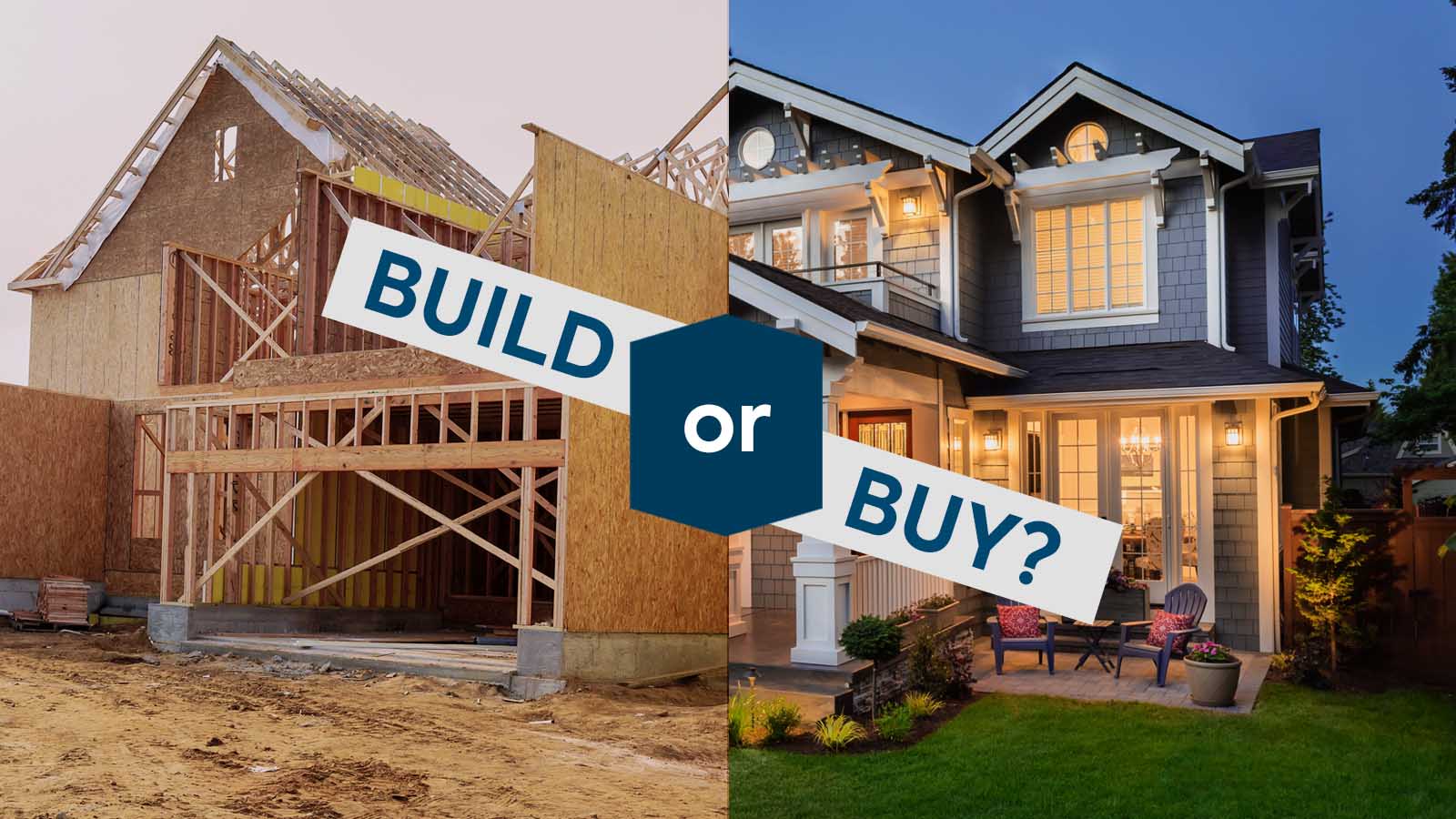
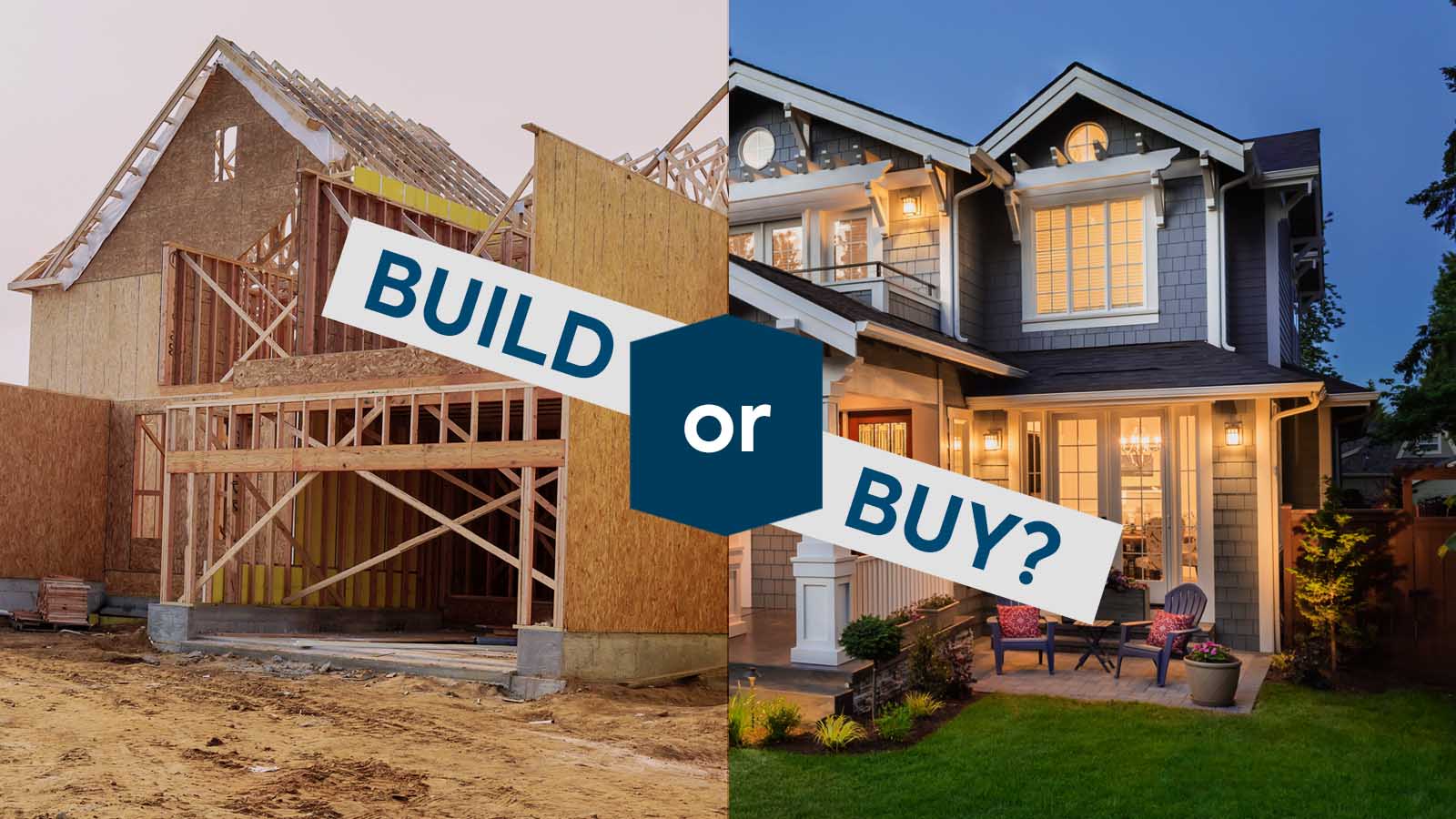
New build homes are properties that have never been lived in before. Typically built by developers, they offer modern layouts, the latest appliances, and energy-efficient features. Many new builds also come with warranties, which provide peace of mind for first-time buyers concerned about unexpected repair costs.
For buyers who want a “blank slate” to customize, new builds offer opportunities such as choosing finishes, layouts, and fixtures during construction. However, they may also come with higher upfront costs and limited location options, as many developments are in expanding suburbs rather than established urban areas.
Understanding Resale Homes
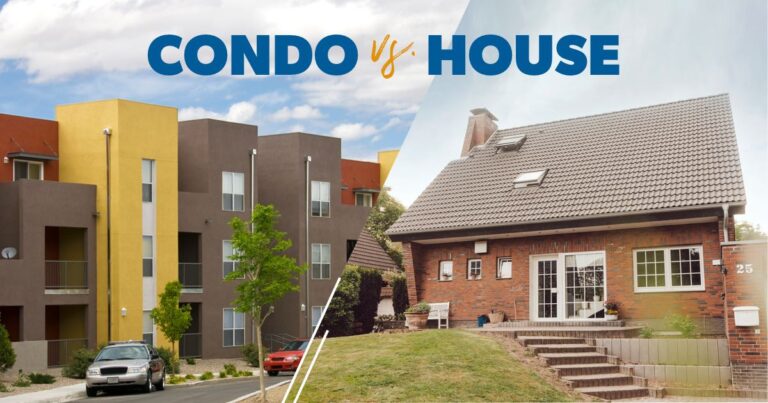
Resale homes, also known as existing homes, are properties that have been previously owned and occupied. These homes can vary widely in age, style, and condition. For first-time buyers, resale homes often provide more affordable entry points, larger lots, and locations within established neighborhoods.
Resale homes may come with character and charm that new builds lack, but they also carry potential risks such as outdated systems or the need for renovations. For buyers comfortable with a little DIY or investing in updates, resale homes can provide long-term value and unique personality.
Key Factors to Compare
Price and Affordability
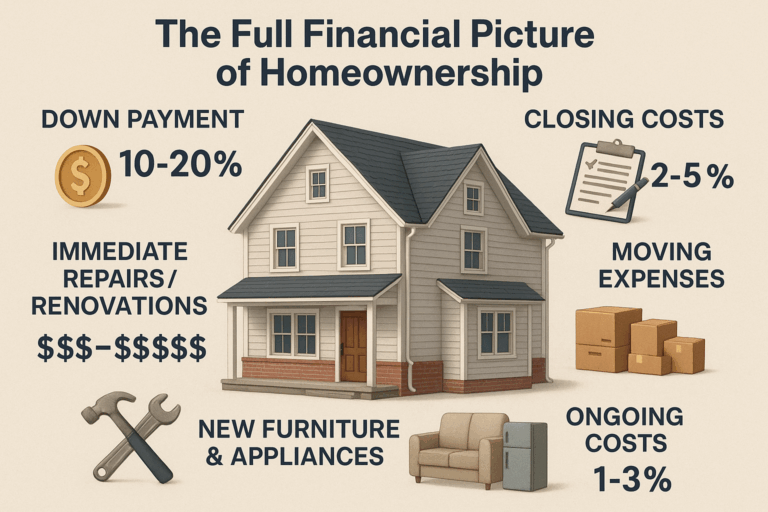
Price is often the biggest deciding factor for first-time buyers. New builds tend to be priced higher due to modern construction standards, warranties, and developer markups. Resale homes may be more affordable upfront, but hidden repair costs can offset those savings.
Buyers should also consider ongoing costs. New builds typically have lower maintenance expenses, while resale homes may require updates such as roofing, plumbing, or electrical upgrades.
Location and Neighborhood
Location can heavily influence the choice between new and resale homes. New builds are often found in growing suburban areas, offering newer infrastructure but fewer established amenities. Resale homes, on the other hand, are usually located in established neighborhoods with mature trees, schools, and existing community character.
For first-time buyers, lifestyle needs—such as commuting distance, schools, and neighborhood culture—should weigh just as heavily as the home itself.
Customization and Modern Features
New builds stand out for their customization opportunities. Buyers may choose flooring, countertops, appliances, and even floor plans before construction is complete. Additionally, modern homes are designed for today’s lifestyles, often including open-plan layouts, smart home features, and energy-efficient designs.
Resale homes may not offer customization upfront, but they often come with unique architectural details or traditional designs that aren’t easily found in new developments. For buyers willing to renovate, resale homes can be tailored to modern tastes over time.
Maintenance and Repairs
A major advantage of new builds is reduced maintenance. Since everything is brand new, repairs are less likely in the first several years, and warranties often cover defects.
Resale homes may need immediate attention, from minor cosmetic fixes to major system replacements. However, a well-maintained resale home can be just as reliable and, in some cases, built with higher-quality materials than mass-produced new builds.
Insert image of the product
Homebuyer Exploring a Character-Filled Resale Home
Relevance: Many first-time buyers are drawn to the unique charm and established neighborhoods that resale homes offer.
The Role of Technology in Making the Right Choice
Technology now plays a crucial role in helping buyers evaluate both new builds and resale homes. Online platforms allow comparisons between neighborhoods, price histories, and property features. Virtual tours provide immersive experiences without the need for in-person visits.
For first-time buyers, mortgage calculators, inspection apps, and renovation cost estimators are invaluable in predicting long-term affordability and identifying hidden costs. These tools empower buyers to make data-driven decisions instead of relying solely on emotion.
Real-World Examples of New Build vs. Resale Experiences
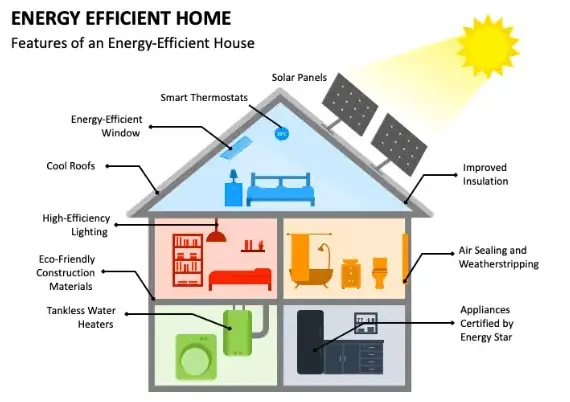
Energy-Efficient New Build with Smart Features
A young couple purchasing a new build in a suburban development appreciated the move-in-ready condition, lower utility bills due to solar panels, and the convenience of smart home integration.
Relevance: This case highlights how modern buyers value sustainability and efficiency, particularly when budgeting for long-term living costs.

Character Home in an Established Neighborhood
A first-time buyer chose a 1950s resale home in an older neighborhood for its proximity to work and schools. While some renovations were necessary, the larger lot and mature trees added lifestyle value.
Relevance: This example shows how resale homes can provide charm and location advantages that new builds often lack.

Newly Developed Community Amenities
A new build development offered not only modern homes but also shared amenities such as parks, gyms, and community centers. First-time buyers moving there valued the built-in lifestyle conveniences.
Relevance: This case demonstrates how new build communities often emphasize shared amenities and planned lifestyles.
Renovated Resale with Investment Potential
A buyer purchased a resale home at a lower price and invested in renovations over time. The updates increased the property’s market value, making it both a home and an investment.
Relevance: Resale homes can offer first-time buyers opportunities for building equity through smart improvements.
Practical Benefits of Weighing Both Options
By carefully evaluating both new and resale homes, first-time buyers gain clarity on what truly matters. Those who value convenience, low maintenance, and modern features may lean toward new builds, while those who prioritize affordability, location, and long-term investment potential may prefer resale homes.
Technology now allows buyers to simulate expenses, compare commute times, and visualize potential renovations before committing. This ensures the decision isn’t just emotional but also strategic.
Common Use Cases for First-Time Buyers
-
Young Professionals: May prefer new builds for modern layouts and energy efficiency, especially if located near growing job hubs.
-
Families: Often lean toward resale homes in established neighborhoods with good schools and community ties.
-
Remote Workers: May choose new builds for smart home features and reliable infrastructure.
-
Investment-Minded Buyers: Resale homes with renovation potential offer long-term financial growth.
Insert image of the product
Realtor Comparing New Build vs. Resale Options With Clients
Relevance: Professional guidance helps buyers understand trade-offs and avoid costly mistakes.
Advantages of Making an Informed Decision
The choice between new build and resale homes isn’t about which is universally better—it’s about what fits your lifestyle, goals, and budget. First-time buyers who carefully evaluate both options can avoid regrets and maximize both comfort and financial stability.
Making an informed decision ensures that your first home is not just a place to live, but also a smart investment for the future.
Frequently Asked Questions
1. Are new builds always more expensive than resale homes?
Not always. While new builds often have higher price tags, resale homes may require costly repairs or renovations that can add up. Comparing long-term costs is essential.
2. Do resale homes hold their value better than new builds?
It depends on location and condition. Established neighborhoods often hold value well, but new builds in growing areas can also appreciate quickly.
3. How do I decide which option is right for me?
Consider your budget, lifestyle needs, and long-term goals. Use technology, consult with realtors, and evaluate both short-term convenience and long-term investment potential before making a decision.