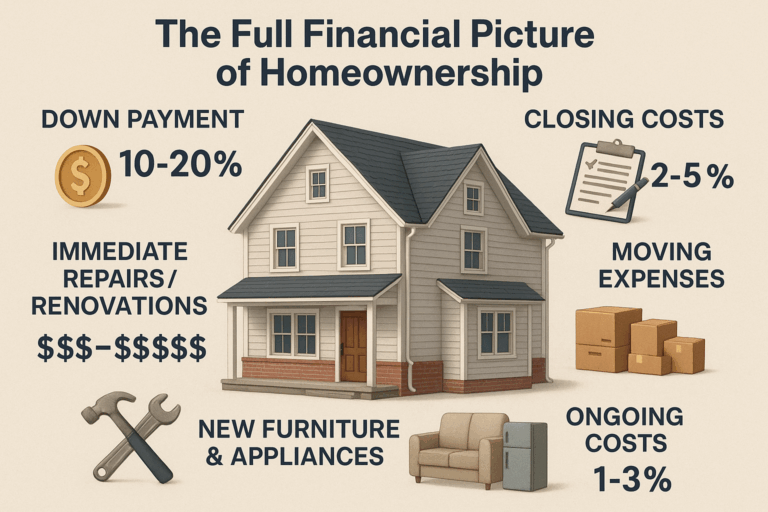
How to Choose the Right Neighborhood for Your First Home: A Complete Guide
How to Choose the Right Neighborhood for Your First Home

Buying your first home is an exciting milestone, but the house itself isn’t the only decision that matters. The neighborhood you choose will shape your lifestyle, impact your finances, and determine how much you enjoy your new home. For first-time buyers, selecting the right neighborhood can be overwhelming because there are so many factors to consider—from safety and schools to commute times and amenities.
This guide explores everything you need to know about choosing the right neighborhood for your first home. We’ll cover the critical factors to evaluate, highlight how technology can simplify your search, and provide real-world examples of tools and strategies to guide your decision.

Young Family Touring a Neighborhood Before Buying
Relevance: First-time buyers often walk or drive through potential neighborhoods to experience the environment before making a final choice.
Why the Neighborhood Matters More Than You Think
When buying your first home, it’s easy to focus on floor plans, finishes, or mortgage rates. However, the neighborhood is what truly defines your day-to-day living experience. A beautiful home in an area that doesn’t align with your lifestyle or needs may lead to regret.
Neighborhoods influence property values, long-term investment potential, and even your daily happiness. For first-time buyers, making the right choice now can save money, stress, and future headaches.
Key Factors to Consider When Choosing a Neighborhood
Safety and Security
Safety is one of the most important priorities for first-time buyers. A safe neighborhood not only gives peace of mind but also protects your investment. Buyers should research crime rates, talk to local residents, and observe how well-maintained the community looks.
Neighborhoods with active community associations and visible security measures often feel more secure. This factor also affects long-term property values, as safer neighborhoods tend to attract more buyers and renters.
Commute and Accessibility
The daily commute is often underestimated. Proximity to work, public transportation, and major roads can dramatically impact your quality of life. A longer commute may mean more stress and less personal time.
For first-time buyers, it’s essential to test the commute during peak hours before committing. Easy access to highways, train stations, or bus stops can also add convenience and future resale value.
Schools and Education Opportunities
Even if you don’t have children yet, local school quality matters. Good schools not only benefit families but also increase property desirability and resale value. Neighborhoods with strong school districts often maintain higher property values over time.
For first-time buyers, evaluating schools in the area is an investment in the home’s long-term value, whether or not children are part of the current plan.
Local Amenities and Lifestyle Fit
Access to grocery stores, parks, restaurants, and healthcare facilities enhances everyday living. For younger buyers, a vibrant nightlife or cultural scene may matter more, while families may prefer quieter neighborhoods with playgrounds and recreational spaces.
A well-rounded neighborhood that matches your lifestyle preferences can turn a house into a true home.
Future Growth and Development
Neighborhoods evolve. Some areas may be up-and-coming with new developments, while others may be declining. Researching city plans and development projects can reveal whether a neighborhood will likely appreciate in value.
For first-time buyers, choosing a neighborhood with growth potential means securing both a great living environment and a smart financial investment.

Homebuyer Using a Neighborhood Research App
Relevance: Many buyers now rely on apps and websites to analyze local amenities, crime data, and commute times before making a decision.
The Benefits of Using Technology in Your Search
Technology has transformed how first-time buyers research neighborhoods. Instead of relying solely on real estate agents or word-of-mouth, buyers now have access to detailed data at their fingertips.
Neighborhood apps and real estate platforms can show everything from crime rates and school rankings to walkability scores and nearby amenities. Digital tools also allow buyers to compare multiple neighborhoods side by side, ensuring an informed decision.
These innovations make it easier for first-time buyers to balance lifestyle preferences with financial considerations, reducing the risk of regret.
Real-World Examples of Tools That Help Buyers
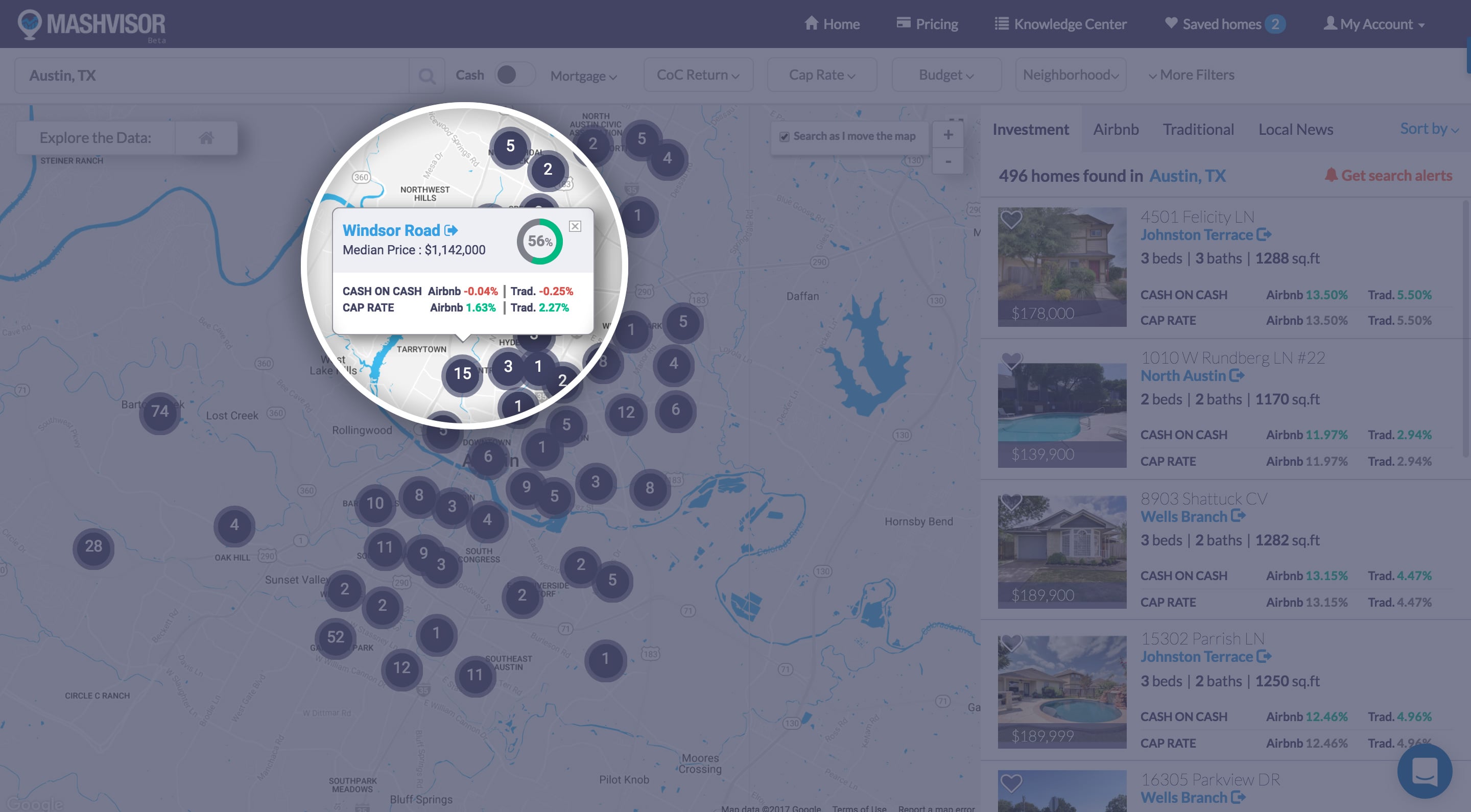
Neighborhood Analytics Platforms
Platforms that provide neighborhood data—such as safety scores, school ratings, and local demographics—offer buyers a detailed overview of the area.
Relevance: First-time buyers use these platforms to filter out unsuitable neighborhoods before physically visiting properties.
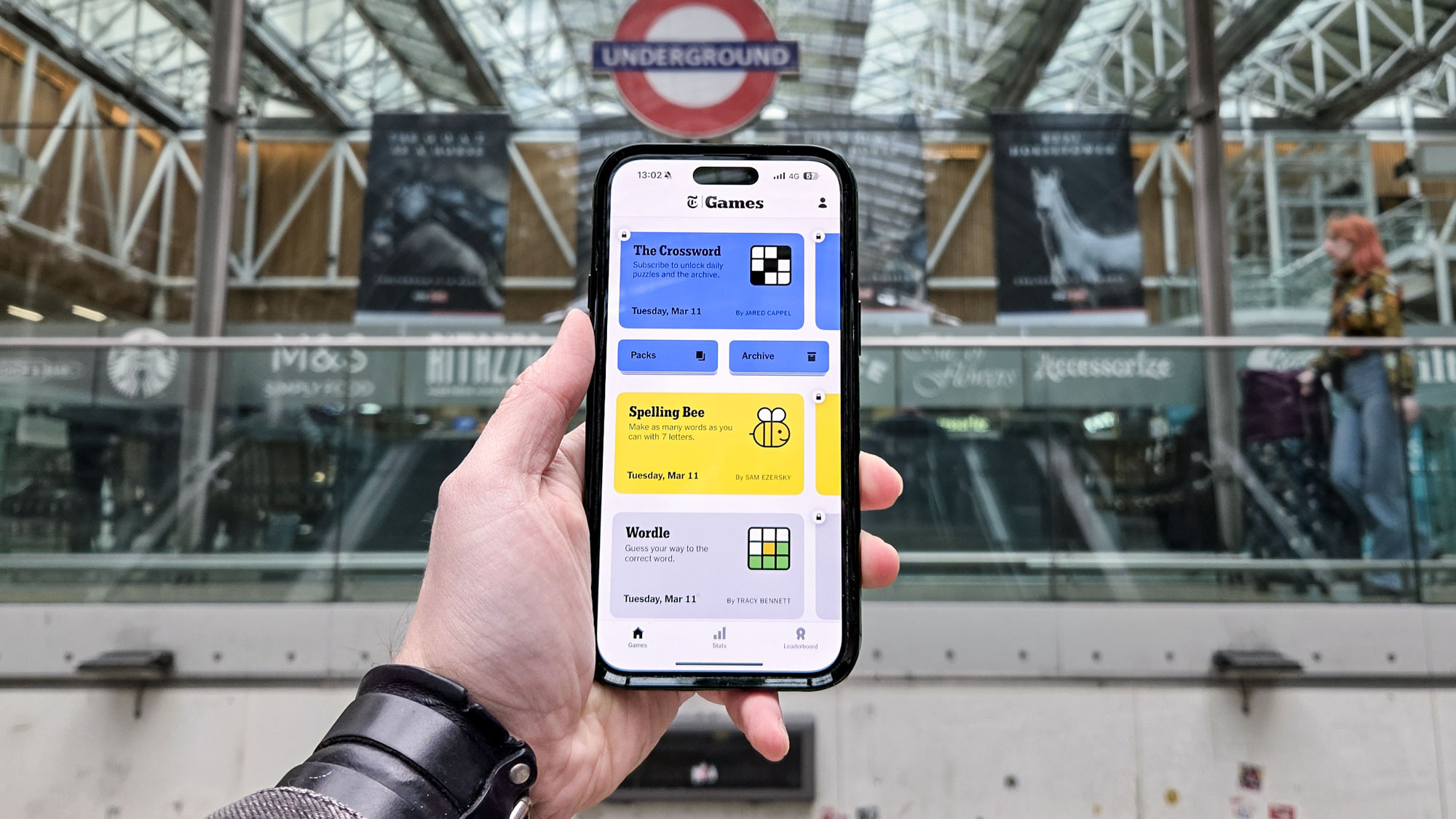
Commute Time Apps
Apps that calculate travel time based on traffic patterns help buyers test potential daily commutes. They simulate real conditions at different hours, giving a realistic picture of what life would be like in that neighborhood.
Relevance: Commute insights prevent buyers from making choices that lead to daily frustration and wasted time.
Virtual Map Tools
Interactive maps show amenities like gyms, restaurants, hospitals, and shopping centers within walking or driving distance. They also reveal future development projects in the area.
Relevance: Buyers can align lifestyle needs with neighborhood offerings without multiple site visits.

Community Forums and Local Groups
Online community groups allow potential buyers to interact with current residents. These discussions provide insights about the neighborhood’s culture, safety, and future outlook.
Relevance: This firsthand knowledge is invaluable for first-time buyers trying to understand the “feel” of a neighborhood.
Practical Use Cases for First-Time Buyers
-
Young Professionals: Prioritize commute times, nightlife, and cultural amenities when evaluating neighborhoods.
-
Families with Children: Focus on school quality, parks, and overall safety to support a stable environment.
-
Remote Workers: Look for reliable internet access, quiet surroundings, and co-working spaces nearby.
-
Investment-Minded Buyers: Consider neighborhoods with signs of growth and planned infrastructure improvements for long-term value.
Insert image of the product
Couple Meeting With a Realtor to Discuss Neighborhood Options
Relevance: Realtors can provide additional insights and confirm whether the neighborhood aligns with the buyer’s goals.
Advantages of Taking the Right Approach
Choosing the right neighborhood isn’t just about location—it’s about building a lifestyle and securing your financial future. By combining personal visits with digital tools, buyers can approach the decision with confidence.
The right neighborhood supports happiness, safety, and convenience while also protecting the investment value of your first home. A thoughtful process now can prevent costly mistakes later.
Frequently Asked Questions
1. How do I know if a neighborhood is safe?
Research crime statistics, talk to local residents, and visit at different times of day. Online tools also provide safety ratings, but firsthand impressions matter just as much.
2. Should I buy in a developing neighborhood as a first-time buyer?
It can be a smart investment if you’re comfortable with some uncertainty. Developing areas may offer lower initial prices and potential for growth, but they may lack amenities in the short term.
3. What’s more important—house features or neighborhood?
For first-time buyers, the neighborhood often matters more. You can renovate or upgrade a home, but the neighborhood’s location, safety, and community are permanent factors.