Should You Buy or Rent? Pros and Cons Every First-Time Buyer Must Know
Should You Buy or Rent? Pros and Cons for First-Time Buyers
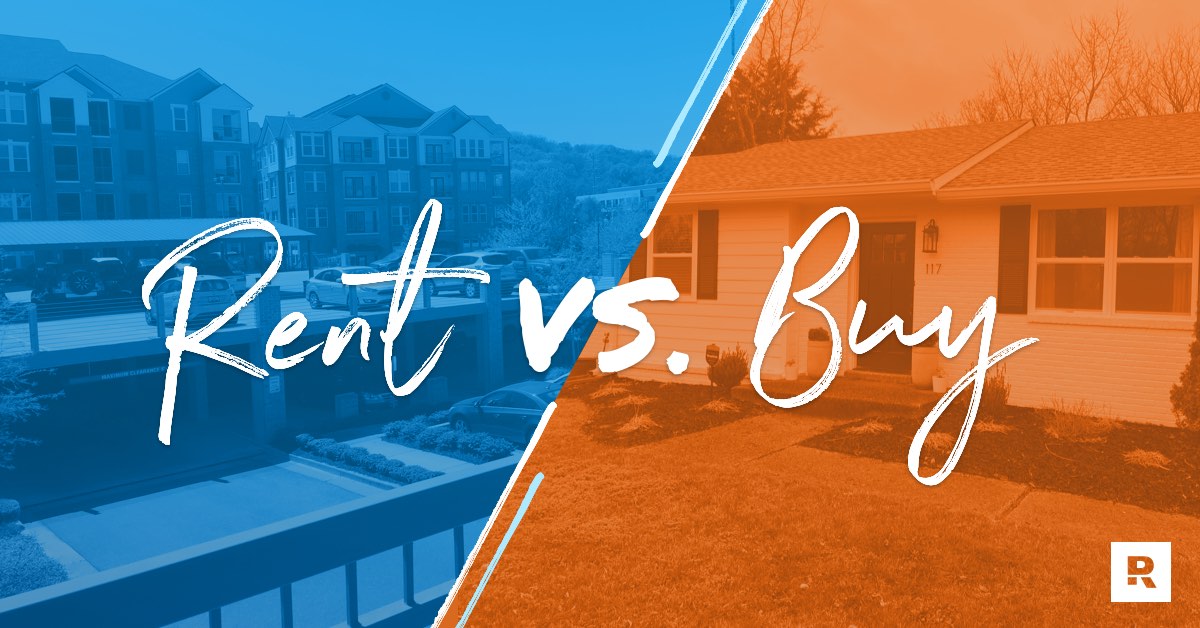
The question of whether to buy or rent is one of the most significant decisions first-time buyers face. On one hand, buying a home builds equity and provides stability. On the other, renting offers flexibility and fewer upfront costs. The decision isn’t simply about finances—it also involves lifestyle, goals, and future plans.
This in-depth guide will walk you through the pros and cons of buying versus renting. We’ll also explore how technology and financial tools can help you make the right decision, alongside real-world examples and practical scenarios for first-time buyers.

Young Couple Reviewing Buy vs Rent Options on a Laptop
Relevance: Many first-time buyers use online calculators and property apps to compare long-term financial outcomes before deciding.
Understanding the Basics of Renting and Buying
What It Means to Rent
Renting a home means you pay a landlord monthly for the right to live in the property. You don’t build ownership, but you avoid the responsibilities of maintenance, property taxes, and long-term commitments. For those unsure about their future plans, renting offers freedom to move without the financial strain of selling a property.
Renting is especially popular among young professionals who may be exploring career opportunities in different cities. It keeps financial obligations predictable and relatively low compared to buying.
What It Means to Buy
Buying involves financing a property purchase, usually through a mortgage. Over time, mortgage payments build equity, giving you long-term ownership benefits. However, it comes with higher upfront costs like down payments, closing fees, and maintenance expenses.
Ownership also brings stability. Buyers can personalize their homes, create long-term roots in a community, and potentially benefit from rising property values. Yet, this stability may feel limiting for those who value mobility and flexibility.
Pros of Renting
Lower Upfront Costs
One of the biggest advantages of renting is affordability at the start. You typically pay a security deposit and one or two months of rent upfront, compared to the substantial down payment and fees required when buying.
For first-time buyers with limited savings, renting provides breathing room to save money while still enjoying the comfort of a home.
Flexibility to Move
Renting is ideal for people who are unsure about their long-term location. Whether you’re changing jobs, exploring new cities, or adjusting to life transitions, leases make it easier to move without the hassle of selling a property.
This flexibility allows renters to adapt quickly to opportunities without being tied down financially.
Cons of Renting
No Equity Building
While renting provides housing, it doesn’t create an asset. Monthly payments go to the landlord instead of building wealth for yourself. Over years, renters may end up paying more in rent than they would toward a mortgage, without gaining ownership.
This lack of equity is often the biggest drawback for those looking to grow their financial stability over time.
Rising Rent Costs
Rent is subject to increases at lease renewal. In competitive markets, renters may face annual hikes that strain budgets. Unlike fixed mortgage payments, renting rarely provides long-term cost predictability.
This uncertainty makes it challenging to plan financially, especially for first-time buyers hoping to save toward eventual ownership.
Pros of Buying
Building Equity and Wealth
Every mortgage payment contributes toward building equity. Over time, this creates financial security and increases net worth. Unlike rent, which provides no return, homeownership offers the potential for appreciation in property value.
This long-term wealth-building aspect is a primary reason many first-time buyers aim to purchase rather than rent.
Stability and Personalization
Owning a home gives you stability. You’re not subject to sudden rent increases or landlord decisions, and you can personalize the space however you like. From renovating the kitchen to painting walls, homeownership provides freedom to create a living environment that reflects your lifestyle.
This sense of permanence appeals to buyers looking to establish roots in a community.
Cons of Buying
High Upfront and Ongoing Costs
Buying requires a significant financial commitment upfront, including down payments, inspections, and closing fees. Beyond that, homeowners are responsible for ongoing expenses such as maintenance, property taxes, and insurance.
For first-time buyers, these costs can feel overwhelming, particularly if unexpected repairs arise.
Reduced Flexibility
Selling a home takes time, money, and effort. For buyers uncertain about long-term plans, this lack of flexibility may feel restrictive. If career or lifestyle changes occur, selling or renting out the property could prove challenging.
This commitment makes homeownership less appealing for those prioritizing mobility.
Insert image of the product
Mobile App Showing Rent vs Buy Calculator
Relevance: Online calculators provide side-by-side financial comparisons, helping first-time buyers make data-driven decisions.
Benefits of Using Technology to Decide
Technology now plays a vital role in helping first-time buyers decide whether to rent or buy. Online calculators allow you to input rent prices, mortgage rates, and down payments to compare long-term costs.
Budgeting apps provide insights into how buying would impact monthly cash flow compared to renting. Real estate platforms also display local market data, helping you understand whether buying in your area is a smart investment.
These tools take the guesswork out of decision-making, empowering first-time buyers with accurate projections.
Real-World Examples of Useful Tools and Services
Rent vs Buy Calculators
Rent vs buy calculators let you plug in details like income, rent, mortgage rates, and housing costs. They generate side-by-side comparisons, showing which option is more cost-effective long term.
Relevance: This clarity is crucial for first-time buyers weighing affordability against investment potential.

Credit Monitoring Apps
Credit monitoring services help buyers track and improve their credit scores before committing to a mortgage. Better credit scores lower interest rates, making buying more affordable.
Relevance: Even renters benefit by improving their credit while preparing for eventual homeownership.
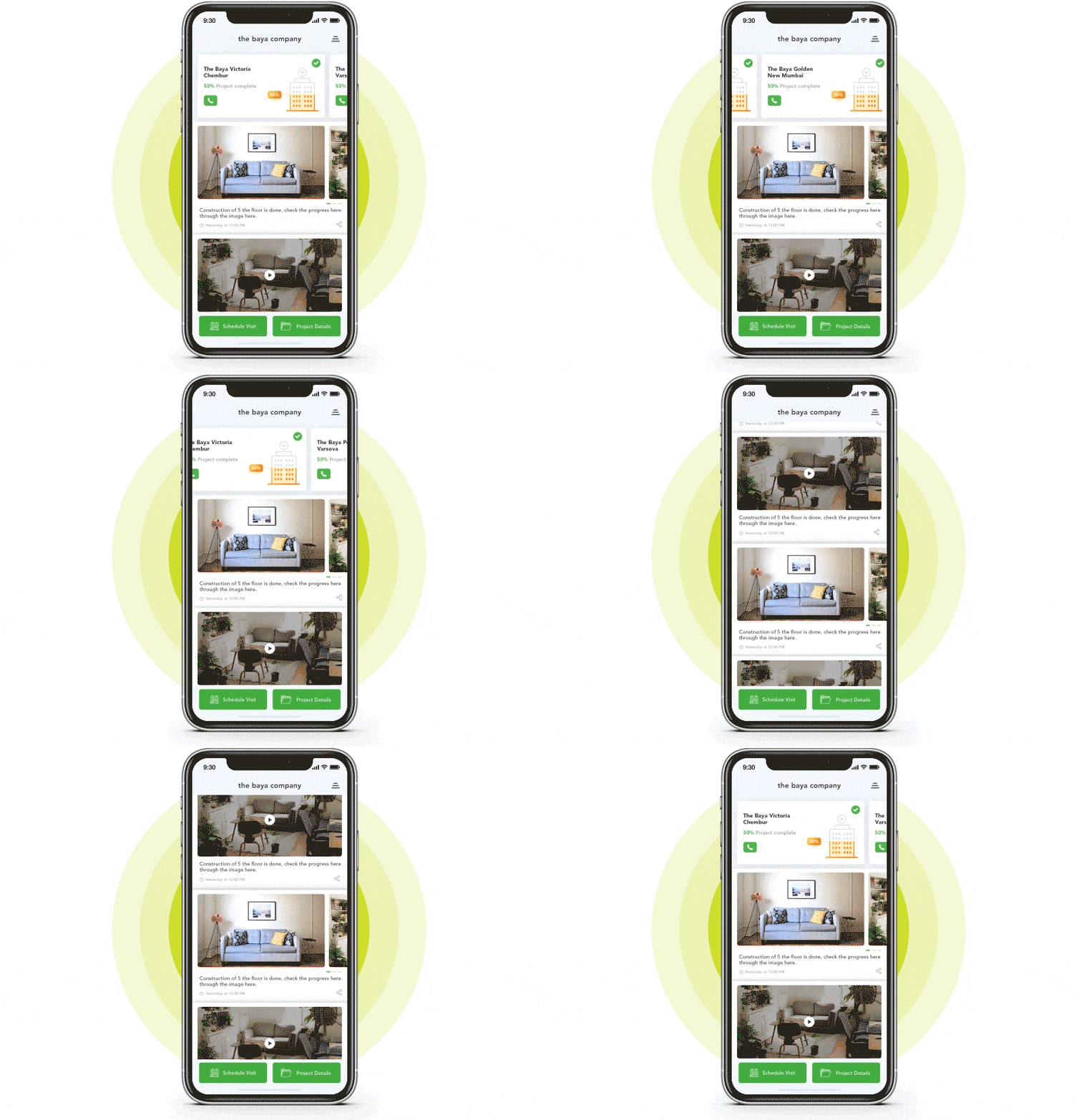
Real Estate Market Apps
Apps provide access to local rental and sale listings. They also display price trends, neighborhood reviews, and property histories.
Relevance: These insights allow first-time buyers to compare rental and purchase options within the same area.
Budgeting Platforms
Platforms like digital budgeting tools track expenses and savings goals. They show whether buying fits your financial lifestyle or if renting remains more sustainable.
Relevance: This visibility helps first-time buyers avoid financial stress after moving in.
Practical Use Cases for First-Time Buyers
-
Young Professionals: Renting may be better while careers are still evolving, offering flexibility to move cities.
-
Growing Families: Buying provides stability, space, and long-term financial security.
-
Short-Term Residents: Renting makes sense if you plan to stay in an area for less than three years.
-
Financially Prepared Buyers: Buying becomes the smarter choice when you have savings, stable income, and long-term goals.
Frequently Asked Questions
1. How do I know if I should rent or buy my first home?
It depends on your financial readiness, career stability, and long-term goals. If you need flexibility, renting is often best. If you want to build equity and plan to stay in one place, buying may be the better choice.
2. Is renting always a waste of money?
Not necessarily. Renting provides housing and flexibility without long-term commitment. While it doesn’t build equity, it can be the right option depending on your circumstances.
3. How long should I plan to stay in a home before buying makes sense?
Experts recommend at least three to five years. This timeframe allows you to build equity and offset the costs of buying and selling.