Understanding Mortgage Options for First-Time Buyers: A Complete Guide
Understanding Mortgage Options for First-Time Buyers: A Complete Guide
Buying your first home is one of life’s most exciting milestones, but navigating the world of mortgages can feel overwhelming. With so many loan types, rates, and terms available, it’s easy for first-time buyers to feel lost in the process. Understanding your mortgage options is critical because the choice you make will directly impact your monthly payments, long-term costs, and financial stability.
This comprehensive guide explores the most common mortgage options available to first-time buyers, their benefits, real-world examples, and the role of technology in simplifying the process. Whether you’re considering a fixed-rate mortgage for predictability or exploring government-backed loans for affordability, this article provides the insights you need to make an informed decision.

A Couple Reviewing Mortgage Documents at Home
This image represents the early stage of the homebuying journey, where understanding loan terms is vital.
Relevance: It highlights the importance of preparation before committing to a mortgage agreement.
Why Understanding Mortgage Options Matters
Choosing the right mortgage isn’t just about securing a loan; it’s about creating long-term financial stability. First-time buyers who rush into a mortgage without understanding its structure often face challenges like higher interest rates, unaffordable payments, or hidden fees.
Understanding different mortgage types empowers buyers to evaluate which loan aligns with their financial goals. It also reduces the risk of surprises and gives them the confidence to negotiate better terms.
Common Mortgage Options for First-Time Buyers
Fixed-Rate Mortgages
Fixed-rate mortgages are one of the most popular choices for first-time buyers. With this loan type, your interest rate remains the same throughout the life of the loan, offering predictable monthly payments.
The stability of a fixed-rate mortgage makes budgeting easier and shields buyers from interest rate increases. While initial rates may be higher than other options, the long-term peace of mind is often worth it.
Adjustable-Rate Mortgages (ARMs)
Adjustable-rate mortgages offer lower initial interest rates for a set period, typically 5 to 10 years. After this period, the rate adjusts periodically based on market conditions.
For first-time buyers planning to move or refinance within a few years, ARMs can provide significant savings. However, the risk of rising interest rates later makes them less appealing for long-term homeowners.
FHA Loans
FHA (Federal Housing Administration) loans are designed for first-time buyers with limited savings or lower credit scores. They require smaller down payments, often as low as 3.5%, and have more flexible credit requirements.
While FHA loans make homeownership more accessible, they also come with mandatory mortgage insurance premiums, which increase the overall cost of borrowing.
VA Loans
VA (Veterans Affairs) loans are available to eligible veterans, active-duty service members, and their families. These loans require no down payment and no private mortgage insurance, making them one of the most affordable options.
VA loans also typically offer competitive interest rates, but they are limited to those with military ties. For those who qualify, this is an excellent first-time buyer solution.
USDA Loans
USDA (United States Department of Agriculture) loans are designed for buyers in rural or suburban areas. Like VA loans, they require no down payment and offer lower interest rates.
The key restriction is that the property must be in an eligible location and the buyer must meet income requirements. For those willing to live outside major urban areas, USDA loans are an attractive option.
Online Mortgage Calculator
Relevance: Mortgage calculators allow buyers to compare monthly payments for different loan types, helping them understand affordability before committing.
Real-World Examples of Mortgage Tools and Services

Digital Pre-Approval Platforms
Online platforms now provide instant mortgage pre-approvals, giving buyers clarity on what they can afford before house hunting.
Relevance: These tools help first-time buyers avoid disappointment by setting realistic expectations early.
Mortgage Comparison Websites
Comparison websites allow buyers to evaluate multiple loan offers side by side, analyzing interest rates, fees, and terms.
Relevance: They empower buyers to find the most affordable mortgage option without relying solely on one lender.
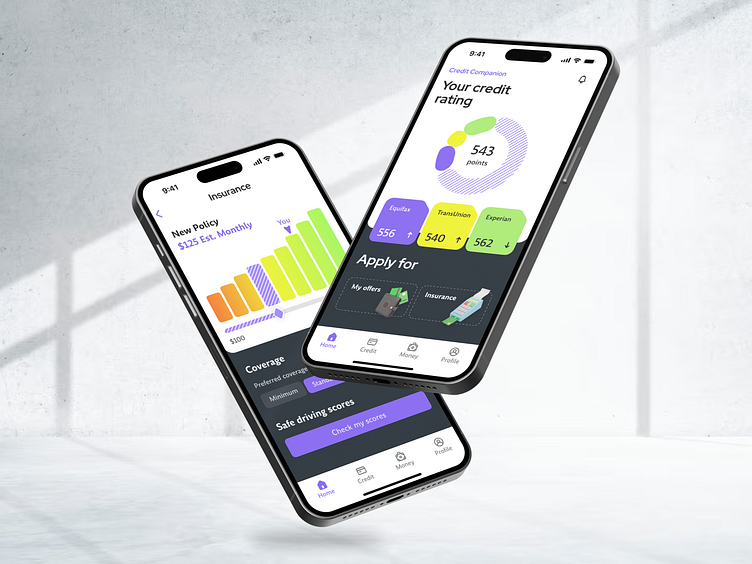
Credit Monitoring Apps
Maintaining a strong credit score is key to securing favorable mortgage rates. Credit monitoring apps provide real-time updates and tips for improvement.
Relevance: These apps reduce the risk of rejection or higher rates due to overlooked credit issues.
Home Affordability Calculators
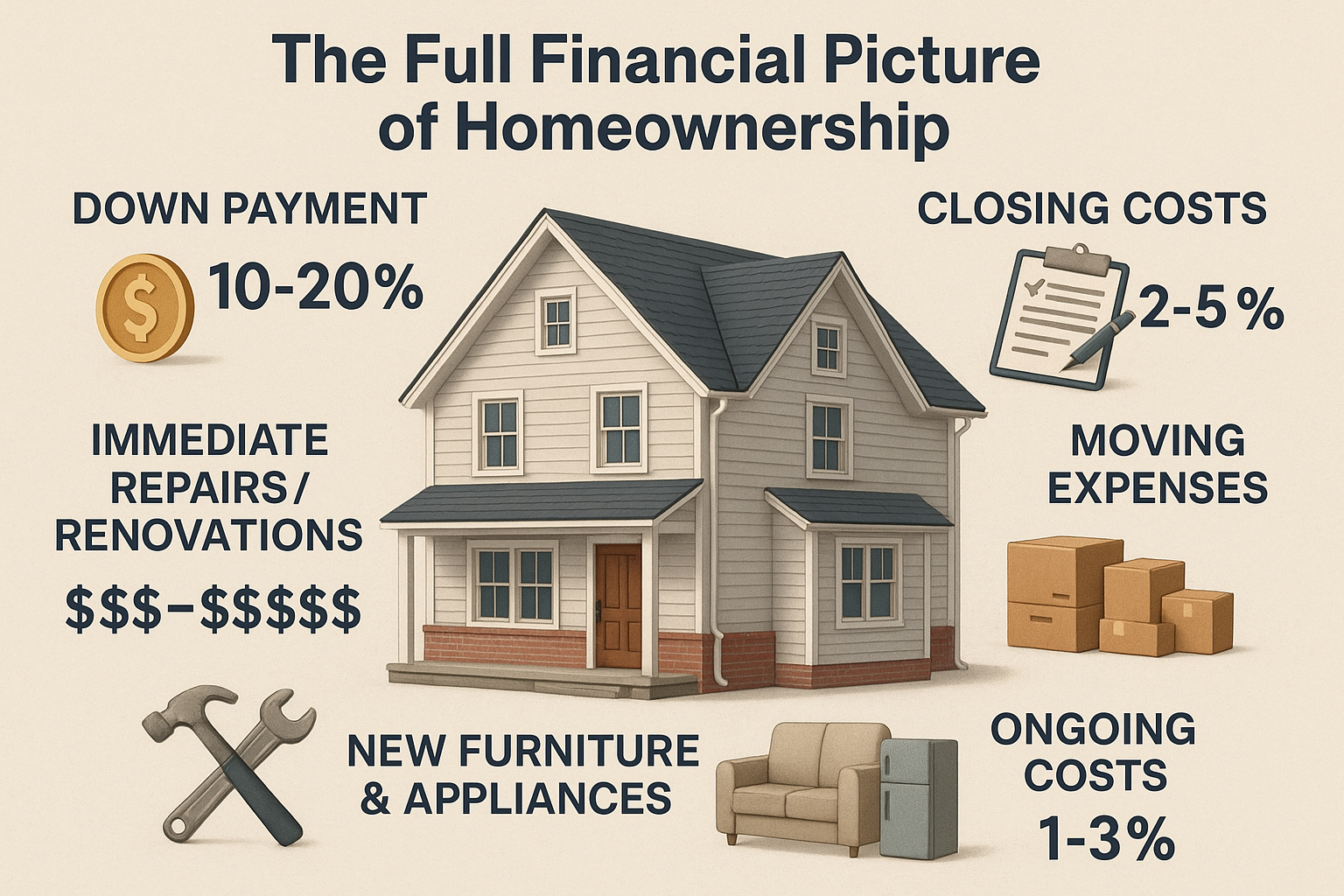
Beyond just mortgage costs, these calculators factor in property taxes, insurance, and maintenance.
Relevance: They help buyers avoid the mistake of underestimating the full cost of homeownership.
Benefits of Using Technology in Mortgage Decisions
Technology has transformed the mortgage industry, offering tools that simplify complex decisions. From pre-approval apps to virtual mortgage consultations, buyers can now access more transparency and control.
For first-time buyers, this means fewer surprises, faster approvals, and better financial planning. Embracing these tools ensures that buyers not only find the right mortgage but also enter homeownership with confidence.
Practical Use Cases
-
Young Professionals: Use mortgage comparison platforms to balance affordability with long-term goals.
-
Families: Benefit from affordability calculators that include child-related expenses in budgeting.
-
Veterans: Access VA loan resources online to secure no-down-payment options with minimal stress.
-
Rural Buyers: Explore USDA eligibility tools to find affordable housing opportunities outside city centers.
Insert image of the product
A First-Time Buyer Meeting a Mortgage Advisor Online
Relevance: Virtual consultations reduce stress and give buyers expert guidance from the comfort of home.
Frequently Asked Questions
1. What is the best mortgage option for first-time buyers?
The best option depends on your financial situation. Fixed-rate mortgages offer stability, FHA loans provide accessibility with lower down payments, and VA/USDA loans are excellent for those who qualify.
2. Should first-time buyers choose a fixed or adjustable-rate mortgage?
Fixed-rate mortgages are safer for long-term homeowners because payments remain predictable. Adjustable-rate mortgages may be suitable for those who plan to move or refinance within a few years.
3. How much should I save for a down payment?
While traditional loans recommend 20%, many first-time buyer programs allow down payments as low as 3–5%. However, a larger down payment reduces monthly costs and avoids mortgage insurance.