Rustic Interior Design Inspiration: Timeless Ideas for a Warm and Natural Home
Rustic Interior Design Inspiration: Timeless Ideas for a Warm and Natural Home

Rustic interior design has never lost its charm. It brings a feeling of warmth, authenticity, and timeless appeal by focusing on natural textures, earthy tones, and handcrafted furniture. Unlike fleeting design trends, rustic interiors remain classic because they celebrate simplicity and connect us to nature.
Whether you live in a city apartment, a countryside cottage, or a modern home, rustic interior design can adapt and elevate your space. This guide explores the defining elements, practical benefits, and real-world examples of rustic style, providing inspiration for anyone looking to create a cozy, inviting home.
What Defines Rustic Interior Design
Rustic design is characterized by raw beauty, natural imperfections, and a focus on comfort. It avoids artificial polish and instead highlights materials in their most organic form.
Natural Materials as the Foundation
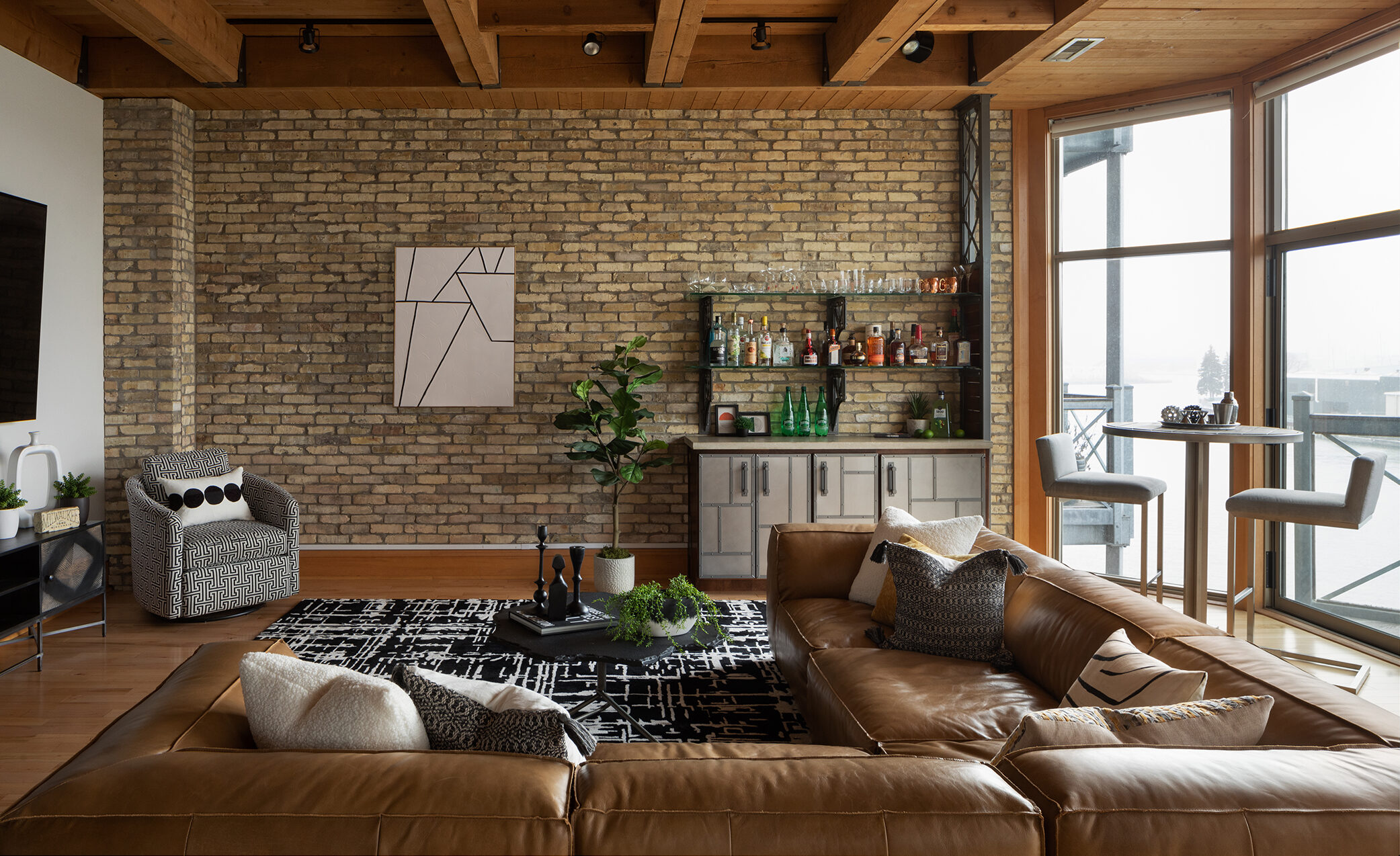
Wood, stone, brick, and clay are staples in rustic interiors. Reclaimed timber beams, distressed hardwood floors, and stone fireplaces all emphasize the authenticity of the design. These elements are often left in their natural state, allowing their imperfections to enhance the atmosphere.
Textiles play an equally important role. Materials such as wool, linen, jute, and leather add warmth and tactile richness. Their durability pairs perfectly with the rugged look of wood and stone, creating interiors that feel both grounded and cozy.
Earthy and Neutral Colour Palettes
The colour palette in rustic interiors draws directly from nature. Think warm browns, soft creams, muted greens, and deep terracotta shades. These colours create harmony while offering flexibility to mix textures and finishes.
Accents in lighter tones like off-white or beige keep spaces balanced, preventing rustic interiors from appearing too heavy. This approach makes rustic design feel warm and inviting without being overwhelming.
Furniture and Layout Style
Rustic furniture is sturdy, practical, and timeless. Pieces often feature visible grain, rough edges, or distressed finishes, giving them a handcrafted feel. Unlike modern furniture with sleek lines, rustic pieces celebrate weight and durability.
Layout choices often prioritize openness and gathering. Large living rooms may focus around a fireplace, while bedrooms emphasize coziness with layered bedding, warm lighting, and natural accents.
Real-World Examples of Rustic Interior Design Inspiration
To better understand how rustic interiors come to life, here are five real-world product examples that embody the style. Each example highlights how texture, material, and design combine to create authentic rustic spaces.
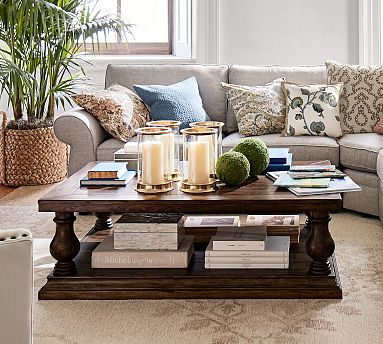
Pottery Barn Lorraine Coffee Table
The Lorraine Coffee Table is built from reclaimed wood, showcasing natural imperfections and a weathered finish. Its robust design and distressed details reflect rustic authenticity. Each mark and grain tells a story, making it unique in every home.
Relevance: This piece demonstrates how reclaimed materials provide both sustainability and charm, anchoring a rustic living room with character and function.
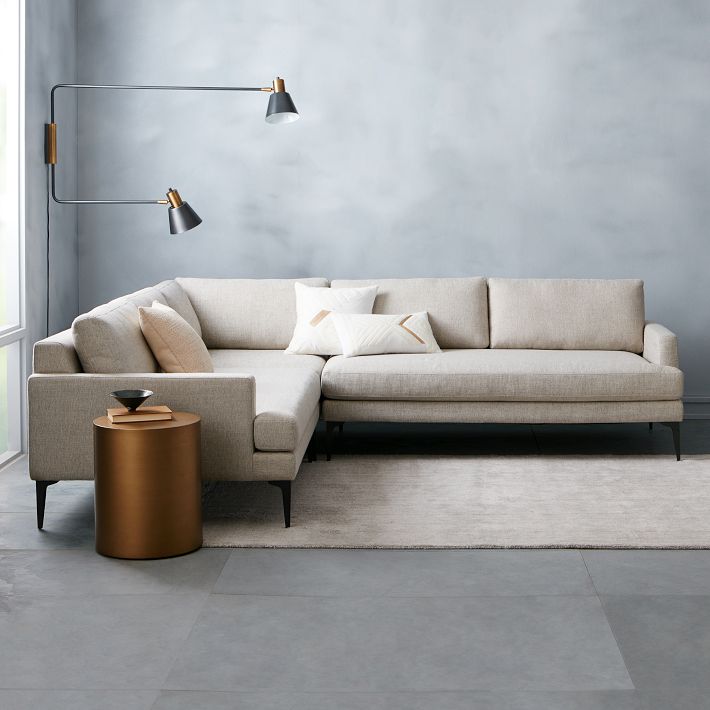
West Elm Andes Sectional Sofa in Tweed
Although rustic design emphasizes wood and stone, textiles are equally essential. The Andes sectional in textured tweed fabric balances comfort and natural appeal. The soft upholstery provides warmth while maintaining rustic authenticity.
Relevance: This example shows how soft furnishings complement rustic interiors by softening rugged elements and creating an inviting atmosphere.

Restoration Hardware Salvaged Wood Console
Made from salvaged wood, this console table embraces rustic imperfection. The weathered surface and visible knots highlight its natural history while offering functional storage.
Relevance: It illustrates rustic design’s core principle—celebrating authenticity while delivering utility. A salvaged wood console enhances entryways, dining rooms, or living areas with timeless appeal.

Crate & Barrel Lodge Leather Armchair
This armchair combines distressed leather with a solid wood frame. Its rich tones, deep seat, and sturdy design bring comfort while reinforcing rustic character.
Relevance: Leather is a hallmark of rustic interiors, adding durability and elegance. This chair highlights how one piece can create a cozy focal point in a living room or reading nook.

Anthropologie Handwoven Jute Rug
Rustic design often incorporates natural fiber rugs. A handwoven jute rug adds grounding texture and ties together wood and stone finishes. Its subtle design enhances layered interiors without overpowering the space.
Relevance: Rugs play a key role in rustic spaces, softening harder surfaces while reinforcing the natural, earthy theme.
Benefits of Rustic Interior Design Inspiration
Rustic interiors offer far more than visual appeal. They provide real advantages for homeowners who prioritize comfort, sustainability, and timeless design.
-
Timeless Style: Rustic interiors never go out of fashion because they draw from nature’s enduring beauty.
-
Warm and Inviting Atmosphere: Layered textures and earthy tones create spaces ideal for relaxation and social connection.
-
Eco-Friendly Choices: Using reclaimed or natural materials supports sustainability and reduces waste.
-
Personalized Storytelling: Rustic furniture and décor often carry history, giving homes unique character.
-
Versatility Across Homes: Rustic style blends seamlessly with modern, farmhouse, and industrial interiors.
Practical Use Cases of Rustic Interior Design
1. Adding Warmth to Urban Apartments
Rustic design elements such as wood furniture and textured textiles soften modern city apartments, making them feel cozy and inviting.
2. Creating Gathering Spaces for Families
Rustic living rooms centered around solid wood tables and large sofas encourage family bonding and hospitality.
3. Designing Seasonal Retreats
Cabins and vacation homes benefit from rustic charm, making them feel connected to nature and perfect for relaxation.
4. Blending Rustic with Modern
Mixing rustic materials with modern layouts allows homeowners to enjoy the best of both worlds—functionality and timeless comfort.
5. Promoting Wellness and Tranquility
Natural tones and organic textures promote calmness, reduce stress, and create interiors that support mental well-being.
Frequently Asked Questions
1. What materials are best for rustic interior design?
Wood, stone, leather, and natural textiles like wool or jute are essential. These materials emphasize durability, authenticity, and timeless appeal.
2. Can rustic design work in small homes or apartments?
Yes. Even small spaces can use rustic elements such as reclaimed wood furniture, neutral palettes, and textured textiles to create warmth without overwhelming the room.
3. How does rustic interior design differ from farmhouse style?
Both styles use natural materials, but rustic interiors highlight raw, rugged finishes, while farmhouse style leans toward polished, light-coloured, and cozy aesthetics.