Eco-Friendly and Sustainable Furniture Options | A Complete Guide to Greener Living
Eco-Friendly and Sustainable Furniture Options
Sustainable living is more than just a trend—it has become a necessity. One of the most impactful ways to live sustainably is by choosing eco-friendly furniture. Furniture is central to our homes and workspaces, and the choices we make about materials, production, and longevity play a significant role in reducing our environmental footprint.
Eco-friendly and sustainable furniture options go beyond aesthetics. They prioritize renewable resources, ethical production, and long-lasting quality while still providing the comfort and style we expect. This guide explores the essentials of sustainable furniture, benefits of technology, real-world examples, and use cases that demonstrate why these choices matter in everyday life.
Understanding Eco-Friendly and Sustainable Furniture
What Makes Furniture Sustainable
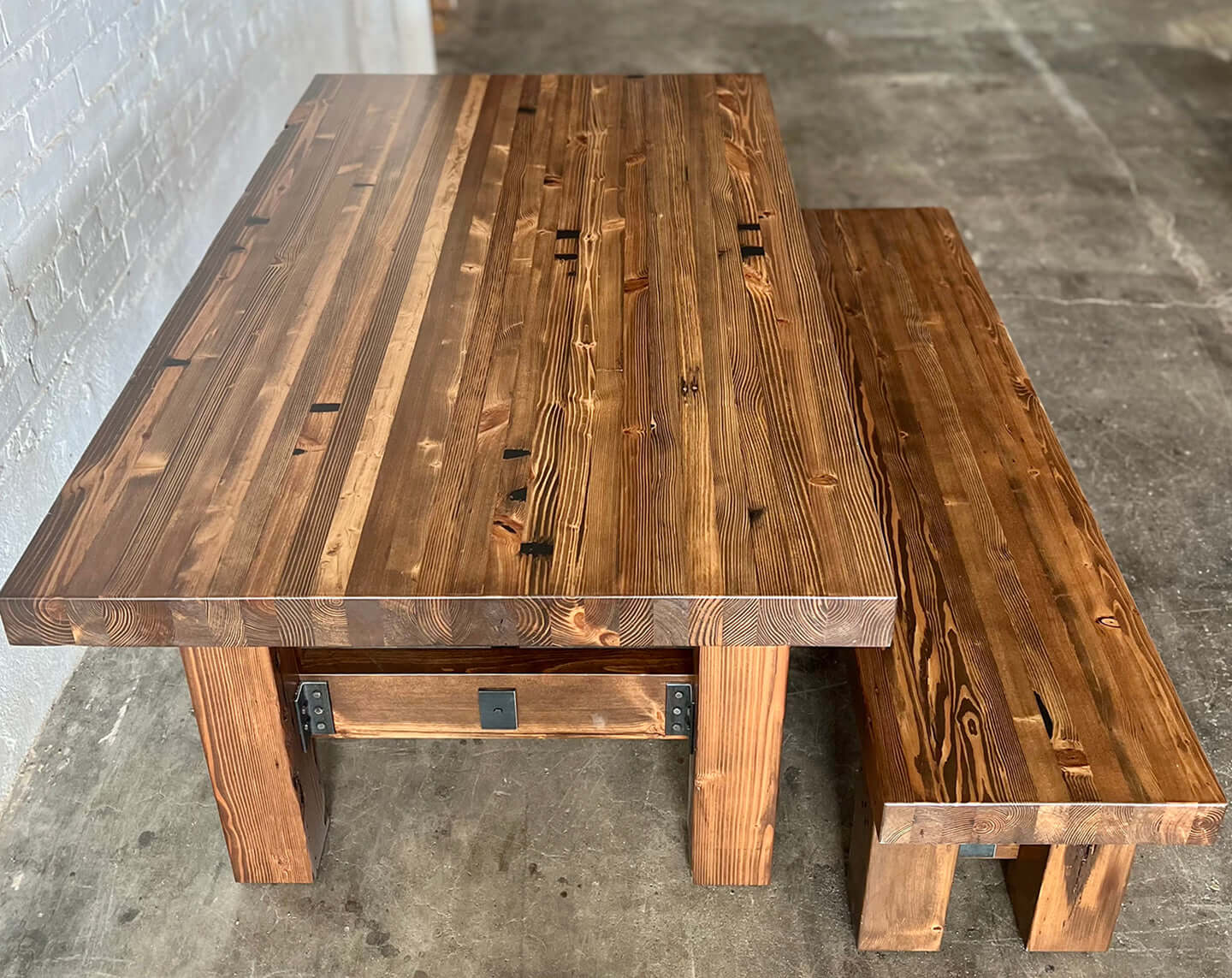
Sustainable furniture is designed with the environment in mind. The goal is to minimize waste, reduce harmful emissions, and ensure responsible use of natural resources. Key features of sustainable furniture include responsibly sourced wood, non-toxic finishes, recycled materials, and durable designs that reduce the need for frequent replacements.
Sustainability is not only about materials but also about production. Furniture crafted with eco-friendly manufacturing methods consumes less energy and produces fewer greenhouse gases. In addition, many sustainable brands ensure fair labor practices, making the process environmentally and socially responsible.
Eco-Friendly Materials Commonly Used

Several materials have become staples in eco-friendly furniture design:
-
Reclaimed Wood: Repurposed timber reduces deforestation and waste while giving furniture unique character.
-
Bamboo: Known for its rapid growth and strength, bamboo is a renewable alternative to hardwood.
-
Recycled Metal and Plastic: Repurposing materials keeps waste out of landfills and supports circular economies.
-
Organic Fabrics: Upholstery made from organic cotton, hemp, or linen avoids harmful pesticides and synthetic chemicals.
These materials ensure that furniture is not only stylish but also aligned with environmental responsibility.
Types of Eco-Friendly Furniture
Reclaimed and Recycled Furniture
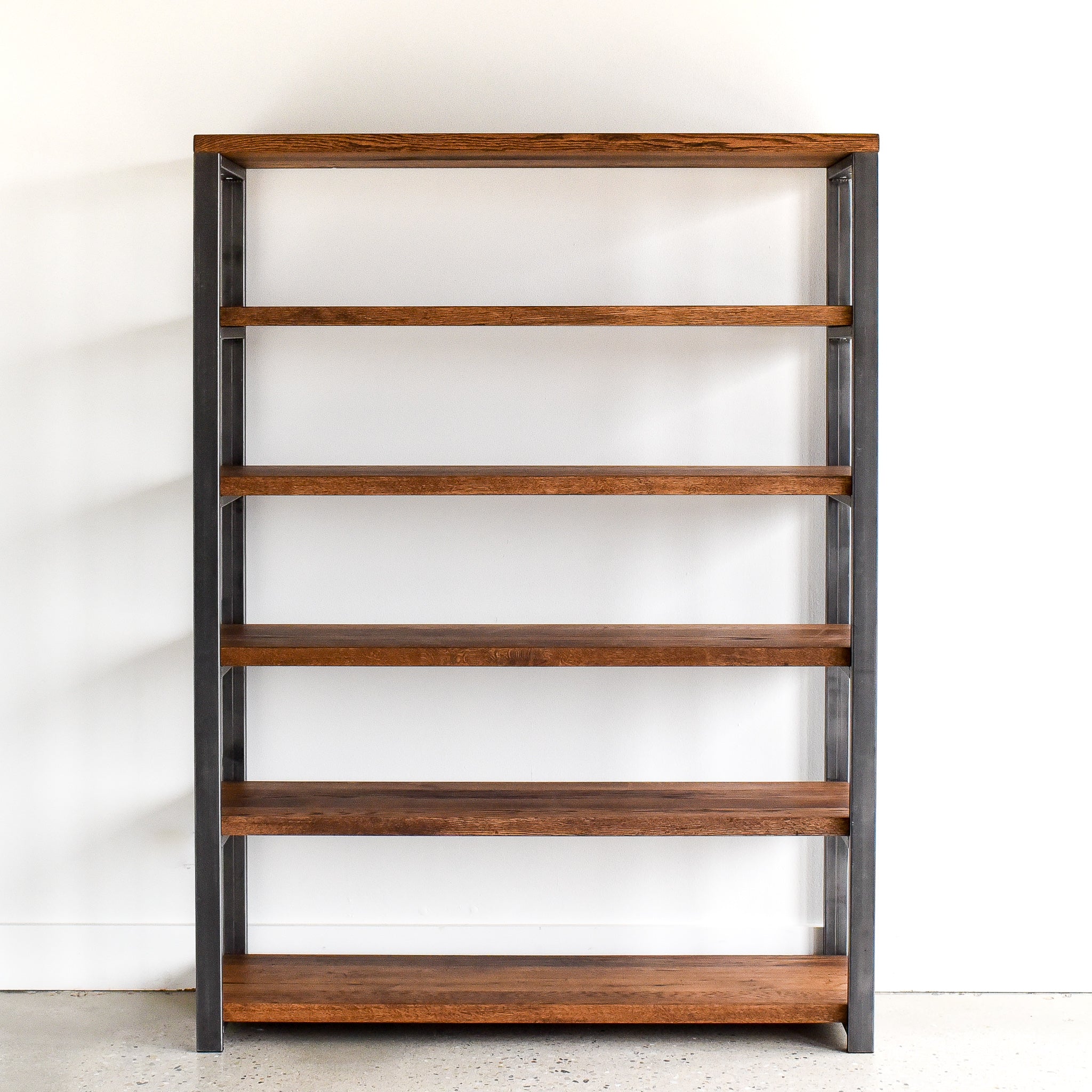
Furniture made from reclaimed or recycled materials has both sustainability and charm. Reclaimed wood carries history, texture, and durability, making each piece unique. Recycled metal and plastic are often molded into modern, stylish designs that give waste materials a second life.
This type of furniture proves that eco-conscious design does not mean compromising aesthetics. Instead, it celebrates creativity while reducing environmental impact.
Modular and Multi-Functional Designs
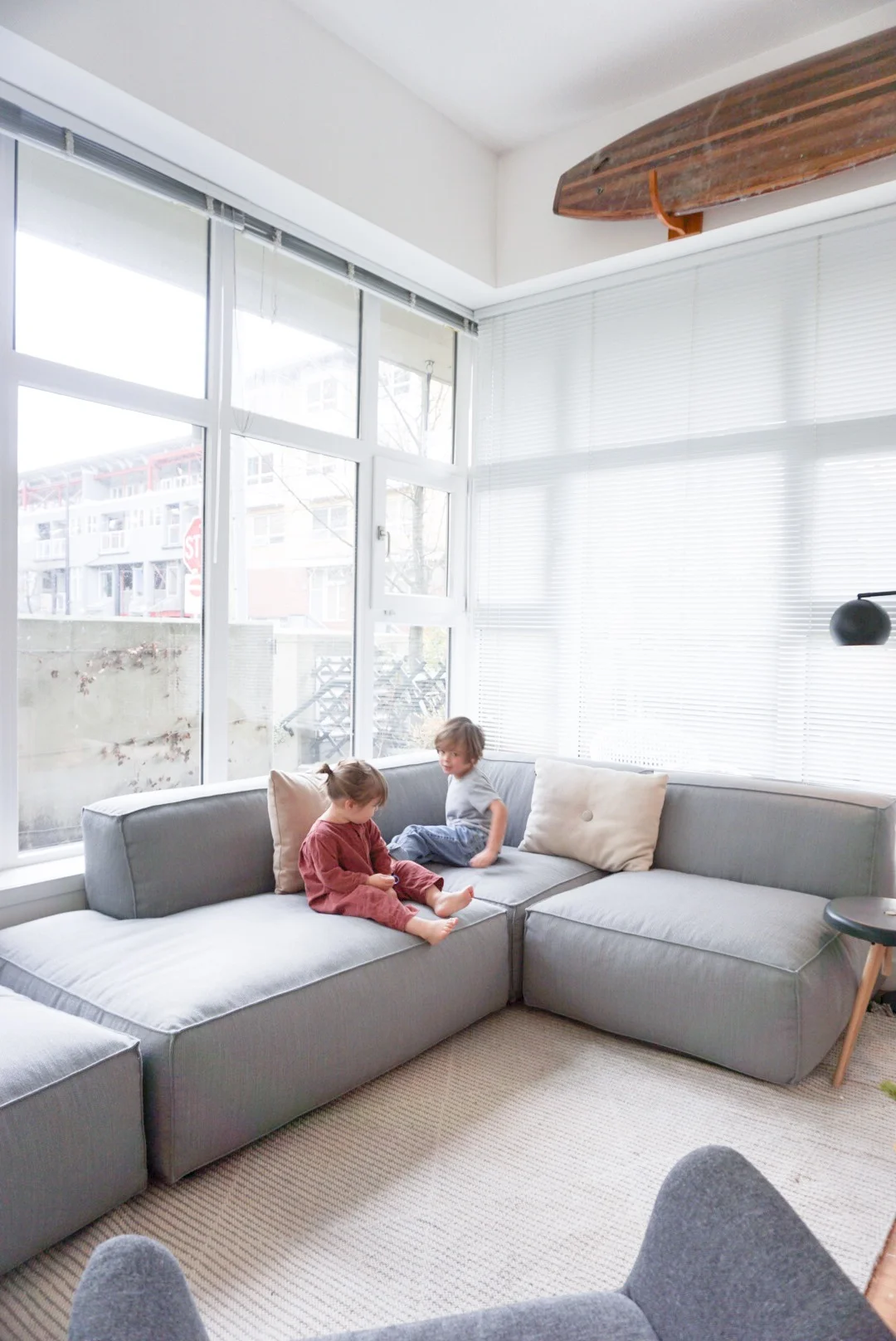
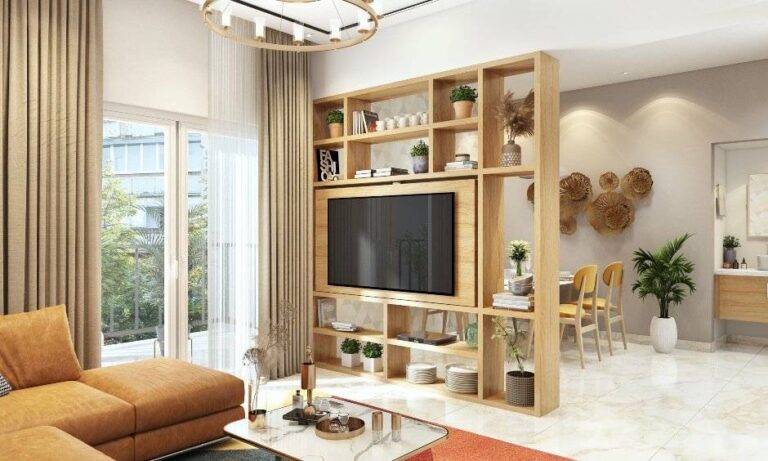
Modular and multi-functional furniture reduces the need to purchase multiple items. A sofa that converts into a bed or modular shelving that adapts to different spaces increases furniture lifespan and prevents waste.
These designs are ideal for small living spaces and reflect the philosophy that sustainable living is about efficiency and practicality, not just material choice.
Real-World Examples of Eco-Friendly and Sustainable Furniture
Example 1: Bamboo Dining Chairs
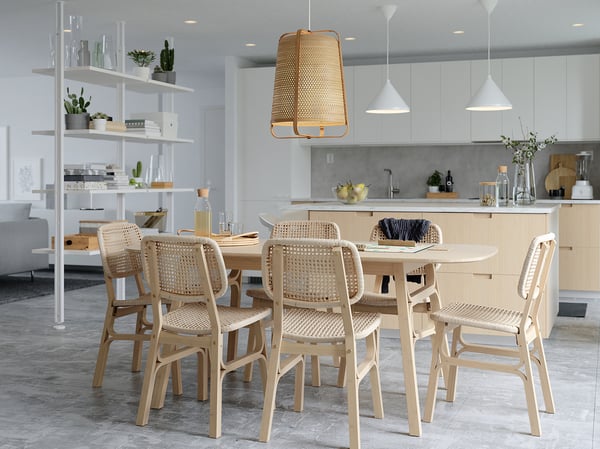
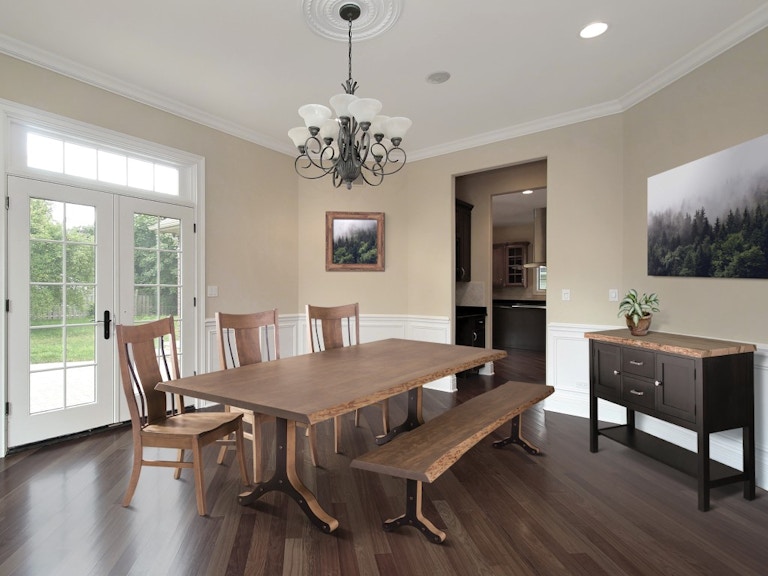
Bamboo is one of the fastest-growing plants in the world, making it a renewable alternative to hardwood. A set of bamboo dining chairs combines durability with lightness, giving a clean, modern look. The chairs are strong, stylish, and eco-friendly, proving that sustainable furniture can be both functional and elegant.
These chairs also showcase the versatility of bamboo. Unlike some hardwoods, bamboo can be harvested without killing the plant, making it a highly renewable material.
Example 2: Reclaimed Wood Coffee Table
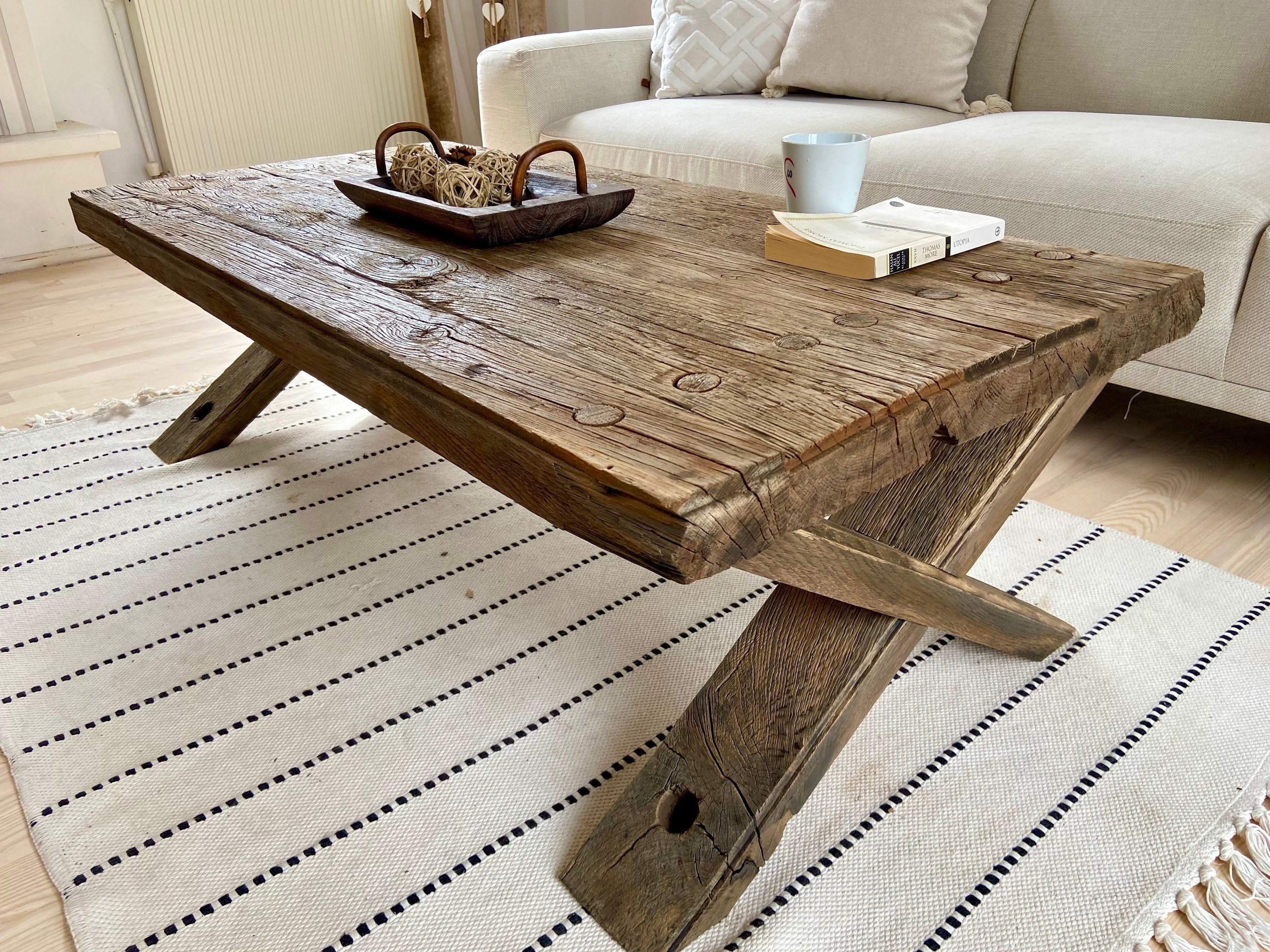
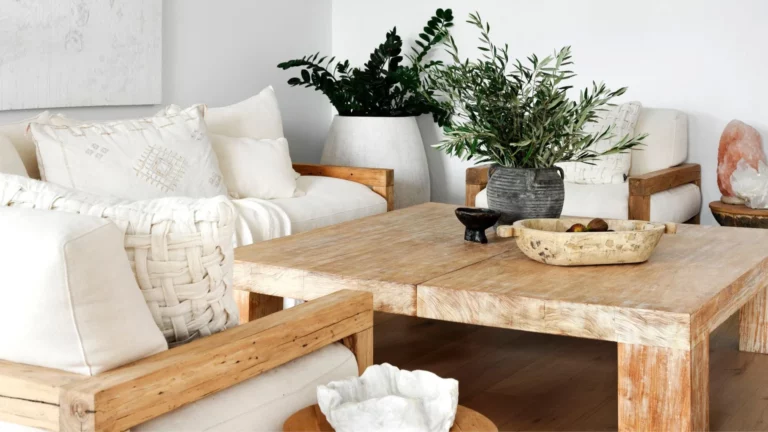
A reclaimed wood coffee table is more than just furniture—it is a story. Each plank may carry marks of its previous life, adding depth and character to a living room. Beyond aesthetics, the use of reclaimed wood reduces the demand for freshly cut timber, protecting forests from unnecessary logging.
This type of piece highlights how sustainability can blend seamlessly with style, offering homeowners something truly unique.
Example 3: Recycled Plastic Outdoor Furniture
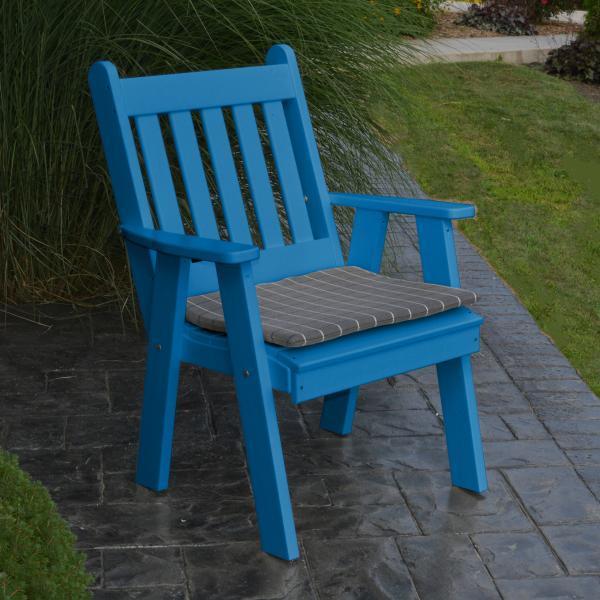
Outdoor furniture made from recycled plastic provides durability, weather resistance, and low maintenance. By transforming plastic waste into usable furniture, these designs reduce pollution and extend the lifecycle of materials.
Such pieces are proof that sustainability doesn’t need to be boring—vibrant, colorful designs bring life to outdoor spaces while serving an important environmental purpose.
Example 4: Modular Sofa with Organic Fabric Upholstery

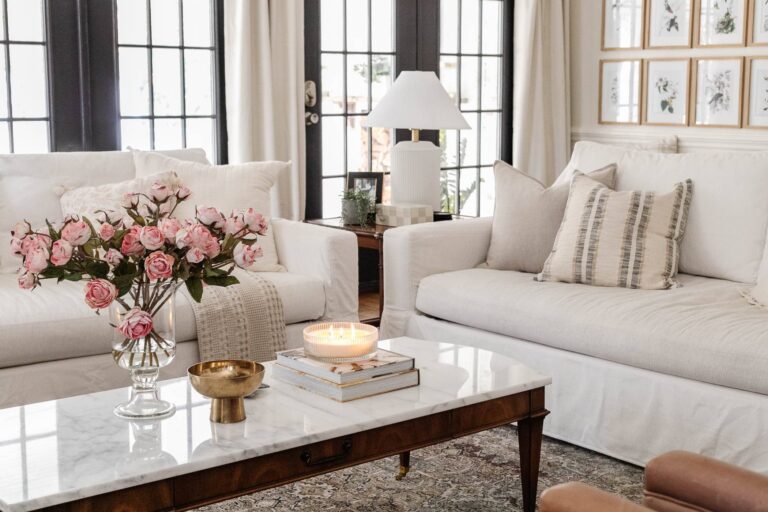
A modular sofa upholstered with organic cotton combines sustainability with flexibility. The modular structure means it can be rearranged to fit different spaces, reducing the need to buy additional furniture. Meanwhile, organic fabric ensures that harmful chemicals are kept out of the production process, promoting healthier indoor air quality.
This example demonstrates how eco-friendly furniture can adapt to evolving lifestyles without waste.
The Role of Technology in Sustainable Furniture
Smart Manufacturing Processes
Modern technology has transformed how eco-friendly furniture is produced. Computer-aided design (CAD) and precision manufacturing reduce material waste by optimizing cuts and minimizing offcuts. Many companies also use digital supply chain management to track materials and ensure ethical sourcing.
Smart manufacturing not only ensures efficiency but also makes eco-friendly furniture more affordable, expanding its accessibility.
Advanced Materials
Technological innovations have introduced new sustainable materials, such as bioplastics made from plant sources and engineered wood composites that maximize efficiency while reducing environmental impact. These materials expand the possibilities of eco-friendly design without sacrificing strength or style.
Digital Customization
Technology also allows customers to personalize furniture digitally before it’s made. By tailoring size, material, and finish to their exact needs, buyers avoid overproduction and unnecessary waste. This makes sustainable living practical and customer-focused.
Benefits of Eco-Friendly and Sustainable Furniture
Reduces Environmental Impact
Eco-friendly furniture minimizes deforestation, pollution, and landfill waste. By choosing renewable and recycled materials, consumers actively contribute to environmental preservation.
Improves Indoor Air Quality
Conventional furniture often contains toxic adhesives, finishes, and synthetic fabrics. Sustainable alternatives avoid these harmful chemicals, leading to cleaner air and healthier homes.
Long-Term Value
Sustainable furniture is built to last. Although the upfront cost may be higher, its durability ensures long-term savings by reducing the need for frequent replacements.
Supports Ethical Practices
Eco-friendly furniture often comes from companies that prioritize fair labor practices and transparent supply chains. Consumers can feel confident that their purchases align with values of social responsibility.
Use Cases: Why Eco-Friendly Furniture Matters
-
Small Apartments and Urban Homes – Modular and multifunctional eco-friendly furniture maximizes space while minimizing waste.
-
Families with Children – Non-toxic materials reduce exposure to harmful chemicals, making homes safer for kids.
-
Outdoor Living Spaces – Durable recycled plastic furniture withstands weather while reducing landfill waste.
-
Home Renovations – Reclaimed wood furniture provides character and sustainability for homeowners seeking unique, eco-conscious updates.
-
Work-from-Home Setups – Sustainable desks and ergonomic chairs support health, productivity, and environmental goals simultaneously.
Common Mistakes to Avoid When Choosing Sustainable Furniture
Ignoring Certification and Labels
Insert image of the product format: Furniture label showing FSC certification mark
Not all furniture marketed as “eco-friendly” meets sustainable standards. Look for certifications such as FSC (Forest Stewardship Council) for wood products or GOTS (Global Organic Textile Standard) for fabrics to ensure authenticity.
Choosing Style Over Substance
Insert image of the product format: Trendy chair with synthetic fabric marketed as eco-friendly
Some furniture may look sustainable but still contain synthetic fabrics or toxic finishes. It’s important to balance style with the genuine eco-friendly qualities of the product.
Why Eco-Friendly Furniture is the Future
Eco-friendly and sustainable furniture is no longer a niche market—it’s becoming the standard. With growing awareness of climate change, consumers are seeking greener alternatives that don’t compromise on style or functionality. By embracing sustainable options, we reduce our environmental impact while creating healthier, more responsible homes.
Frequently Asked Questions
1. What materials are considered most sustainable for furniture?
Materials like reclaimed wood, bamboo, recycled metal, recycled plastic, and organic fabrics are widely recognized as sustainable because they minimize waste and reduce environmental impact.
2. Is eco-friendly furniture more expensive than traditional furniture?
While the initial cost may be higher, eco-friendly furniture is designed for durability and longevity, which means fewer replacements over time. This often leads to cost savings in the long run.
3. How does sustainable furniture improve indoor air quality?
Eco-friendly furniture avoids toxic chemicals, adhesives, and finishes commonly found in traditional furniture. This results in cleaner indoor air and a healthier living environment.