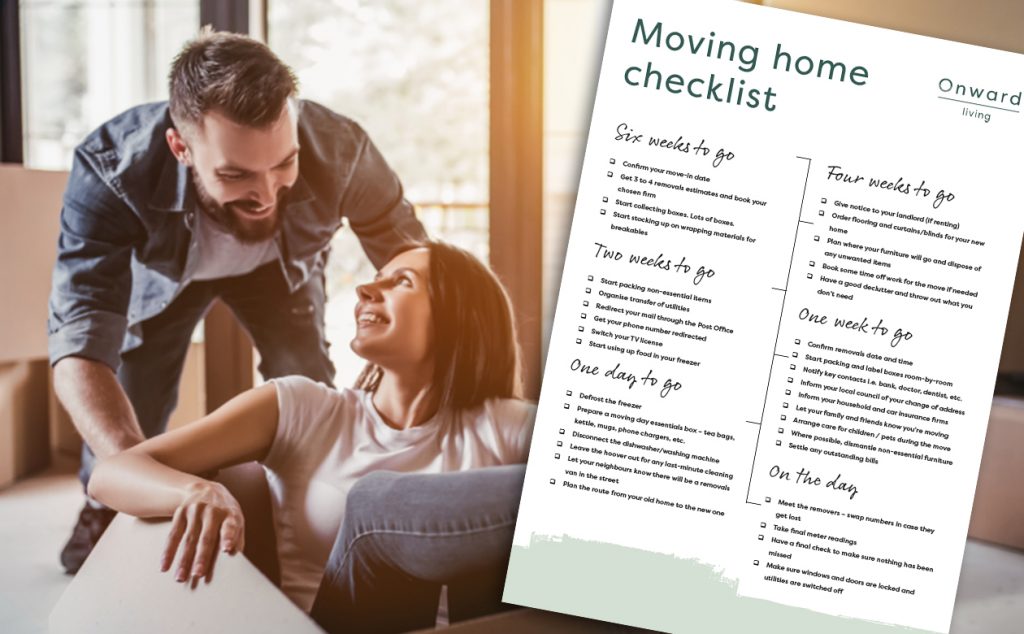
Moving Into Your First Home: A Stress-Free Checklist for First-Time Buyers
Moving Into Your First Home: A Stress-Free Checklist
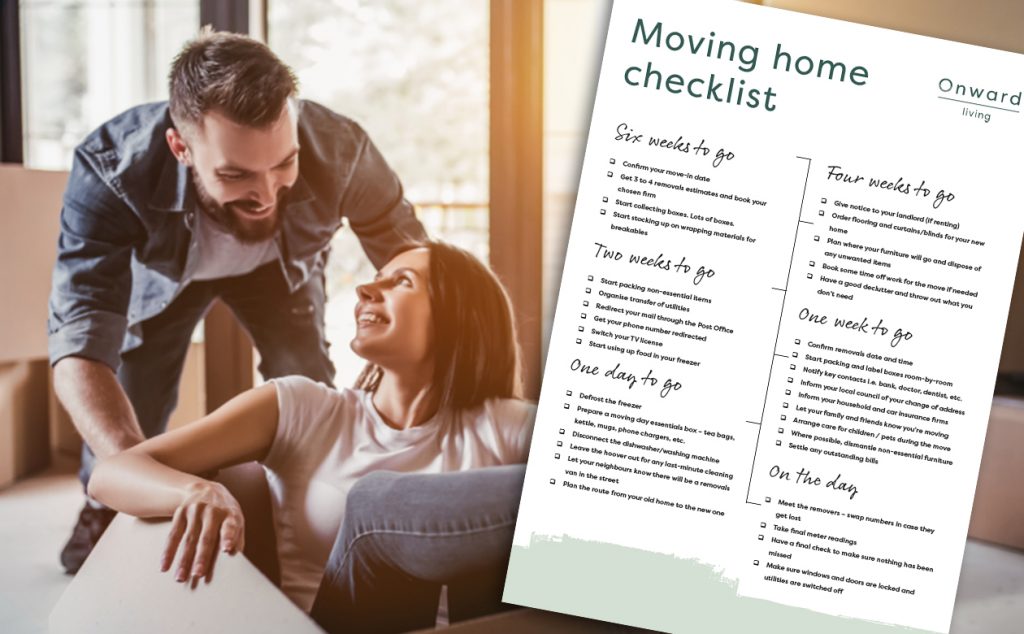
Moving into your first home is one of life’s biggest milestones, but it can also be stressful and overwhelming. Between packing, organizing, transferring utilities, and setting up your new space, there are countless details to manage. Having a well-structured checklist can ease the process and help you transition into your new home smoothly.
This guide provides a stress-free moving checklist designed especially for first-time buyers, with insights on preparation, practical tools, and real-world examples that can help you stay organized and confident every step of the way.
Preparing Before the Move
Plan Your Moving Timeline

The first step to a stress-free move is creating a timeline. Start by choosing your move-in date, then work backward to schedule tasks like packing, utility transfers, and hiring movers if necessary. Giving yourself at least four to six weeks helps reduce last-minute stress.
Budget for Moving Costs
Moving expenses can add up quickly, from packing supplies to transportation. First-time buyers often overlook these costs. Creating a realistic budget ensures you don’t run into financial surprises, especially after making a large down payment on your home.
Packing Essentials and Organization
Declutter Before Packing
:strip_icc()/GettyImages-1425625299-1a7d4a0c3da340189e47726633337dde.jpg)
Before packing, take the time to declutter. Donate or recycle items you no longer need. This step reduces moving costs and ensures you’re only bringing what truly belongs in your new home.
Label and Organize Boxes
Every box should be labeled by room and contents. For example, mark boxes “Kitchen – Utensils” or “Living Room – Books.” This system helps movers place items in the correct rooms and makes unpacking far easier once you arrive.
Utility and Service Transfers
Notify Utility Providers Early
Contact your utility companies at least two weeks before moving day. This includes electricity, water, gas, and internet. Scheduling these transfers in advance ensures your new home is ready for use immediately after you move in.
Change of Address Notifications
Equally important is updating your address with banks, insurance companies, and government institutions. Submitting a change-of-address request with your local postal service ensures you don’t miss important documents.
Setting Up Your New Home
Deep Clean Before Unpacking

Before moving furniture in, take time to deep clean your new home. Cleaning empty rooms is easier and ensures you start fresh. Focus on carpets, windows, and kitchen surfaces.
Prioritize Essential Rooms
Unpack your essentials first, such as the bedroom, bathroom, and kitchen. Having these spaces functional allows you to live comfortably while tackling the rest of your boxes at a manageable pace.
Real-World Examples of Stress-Free Moves
Young Professional Relocating for Work
:max_bytes(150000):strip_icc()/EleanorEmail-5aaf1c6ec5cf45eea0a4cd70ddbd4b21.png)
A 28-year-old software engineer relocated to the city for a new job. By using moving apps to schedule tasks and labeling every box by room, she minimized stress. She also arranged for internet service a week in advance, ensuring she could work from home on her first day.
Family of Four Upgrading to a Larger Home
Insert image of the product format: Family Carrying Boxes into a Suburban Home
A family moving into a four-bedroom house focused on decluttering early. They held a garage sale to reduce excess items and applied the profits toward moving expenses. Their checklist included preparing kids’ bedrooms first, creating a sense of comfort for the children amidst the chaos.
Retiree Downsizing to a Condo
A retired couple moved from a large house into a smaller condo. They used digital inventory apps to catalog items and decide what to keep. Downsizing with intention allowed them to settle in quickly and enjoy the condo’s low-maintenance lifestyle.
Benefits of Using Technology During a Move
Digital Inventory Apps
Apps like Sortly or Magic Home Inventory allow you to catalog and photograph belongings before packing. This helps prevent items from being misplaced and creates a record for insurance purposes.
Moving Day Coordination Tools
Technology can help with moving day logistics. Tools like TaskRabbit or moving service apps make it easier to hire helpers, track schedules, and coordinate movers.
Smart Home Setup
First-time homeowners can also leverage smart technology during move-in. Devices like smart locks, thermostats, and lighting can be installed early to increase comfort and security in your new home.
Use Cases: How This Checklist Solves Real Problems
-
Avoiding Missed Bills – Updating your address ensures financial and legal documents reach you without delay.
-
Reducing Stress for Families – Organizing children’s rooms first helps them adapt to a new environment with less anxiety.
-
Saving Time for Professionals – Planning utilities and internet in advance eliminates downtime for remote workers.
-
Efficient Downsizing – Retirees can use digital tools to simplify what to keep, ensuring a smoother transition into smaller homes.
Practical Advantages of a Moving Checklist
A detailed checklist turns an overwhelming process into manageable steps. Instead of reacting to last-minute crises, you’ll know exactly what needs to be done and when.
It also helps with time management. By breaking the process into stages, you can tackle one task at a time without feeling rushed. Finally, it provides peace of mind—knowing you’re not forgetting critical steps like utility transfers or important documents.
Frequently Asked Questions
1. How far in advance should I start preparing for a move?
Ideally, begin preparations at least four to six weeks before moving day. This gives enough time to pack, transfer utilities, and handle unexpected challenges without added stress.
2. What’s the first thing I should unpack in a new home?
Focus on essentials: your bedroom, bathroom, and kitchen. Having these spaces functional ensures you can live comfortably while organizing the rest of your home gradually.
3. Do I really need to notify every service provider about my new address?
Yes. Failing to update your address with banks, insurance providers, and government agencies can lead to missed bills, legal issues, or lapses in service. Submitting a formal change of address with your postal service ensures nothing is missed.